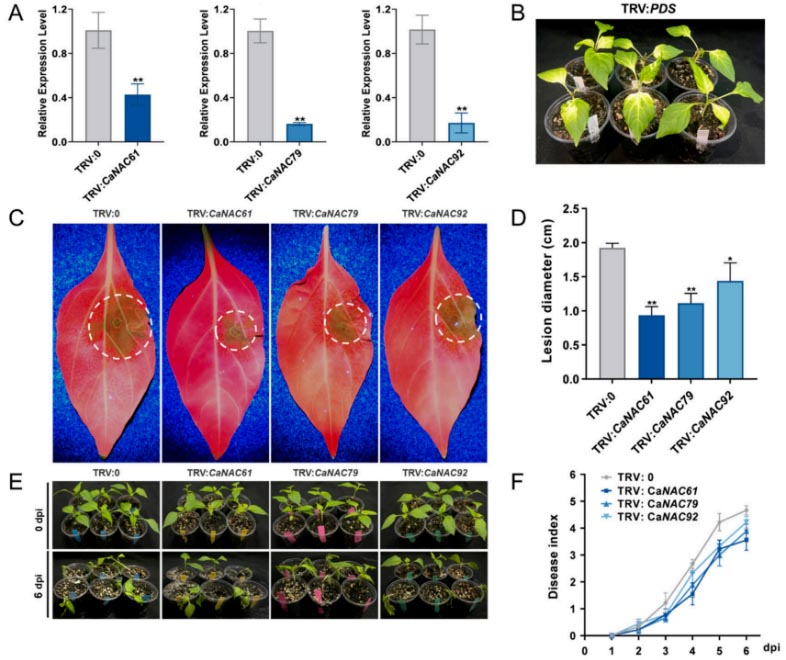
June 22, 2026Phytophthora blight, caused by the oomycete pathogen Phytophthora capsici, is one of the most serious diseases threatening pepper production, often…
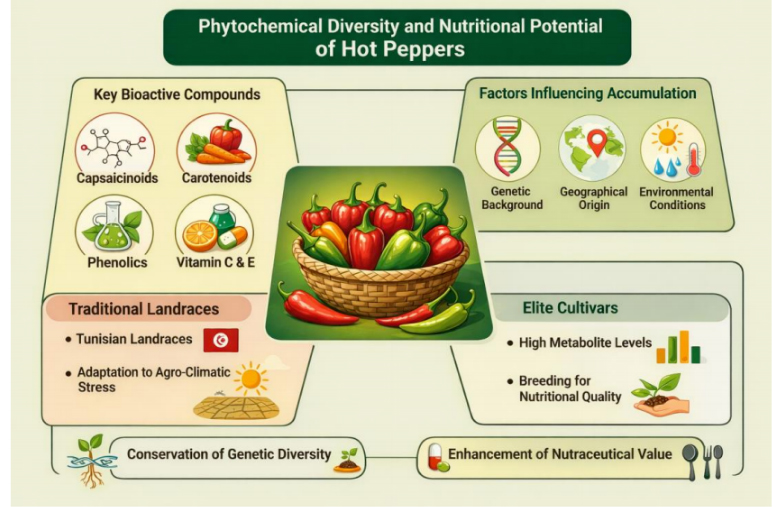
 June 22, 2026Chili peppers (Capsicum spp.) are among the most widely consumed vegetables globally; beyond imparting unique flavors and colors to dishes,…
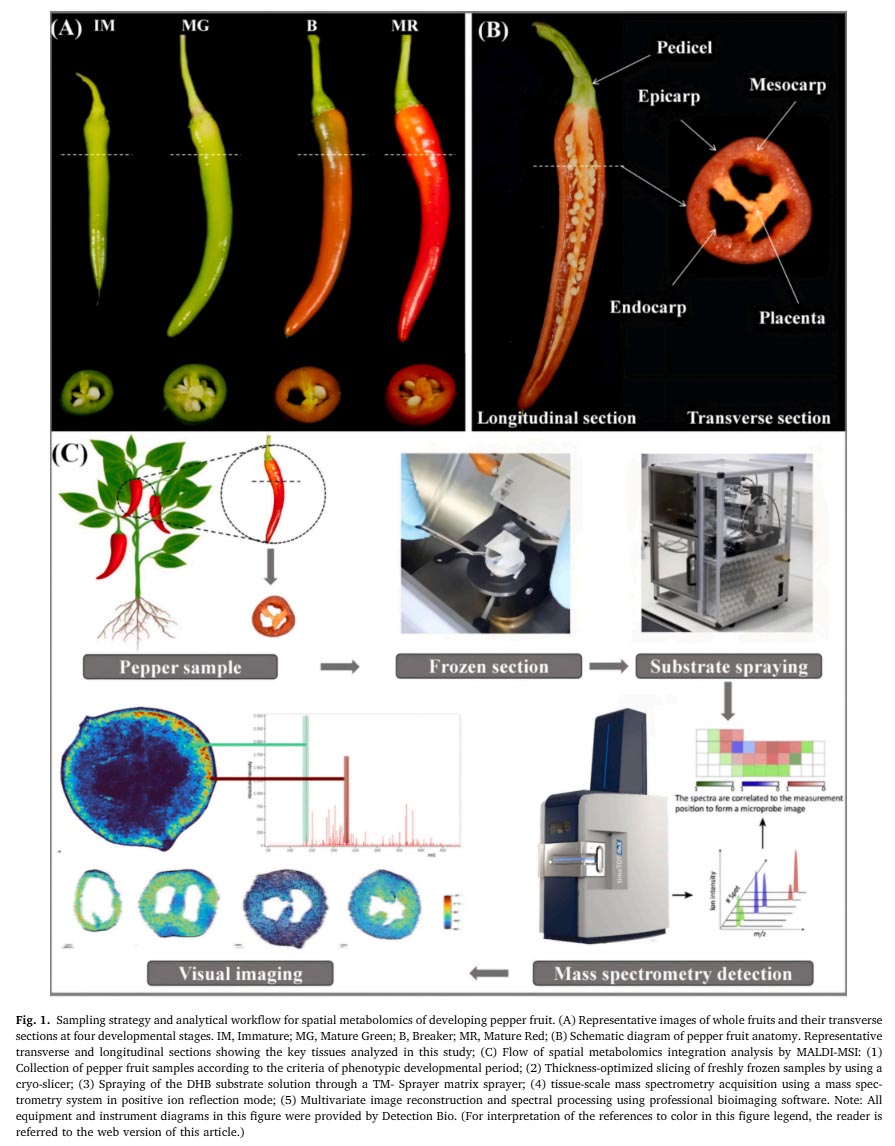
 June 18, 2026The pungency, color, and nutritional quality of pepper fruit are jointly determined by a variety of metabolites. However, the spatial…
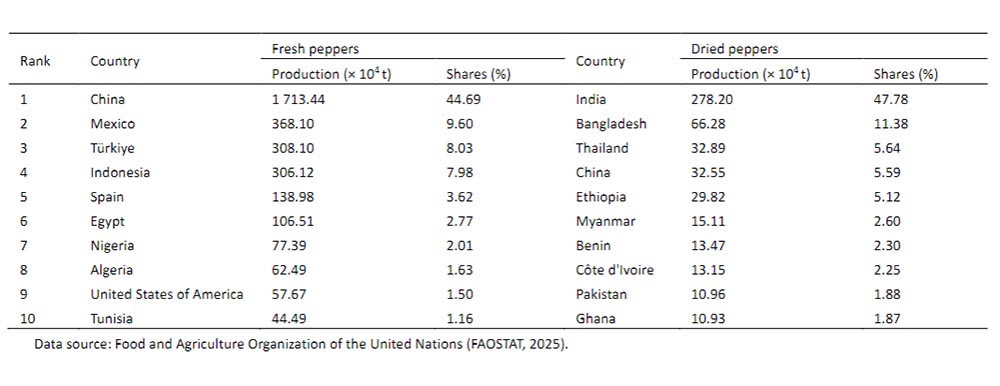
 June 17, 2026If there is one type of food that people can eat all year round without getting tired of it—and that…
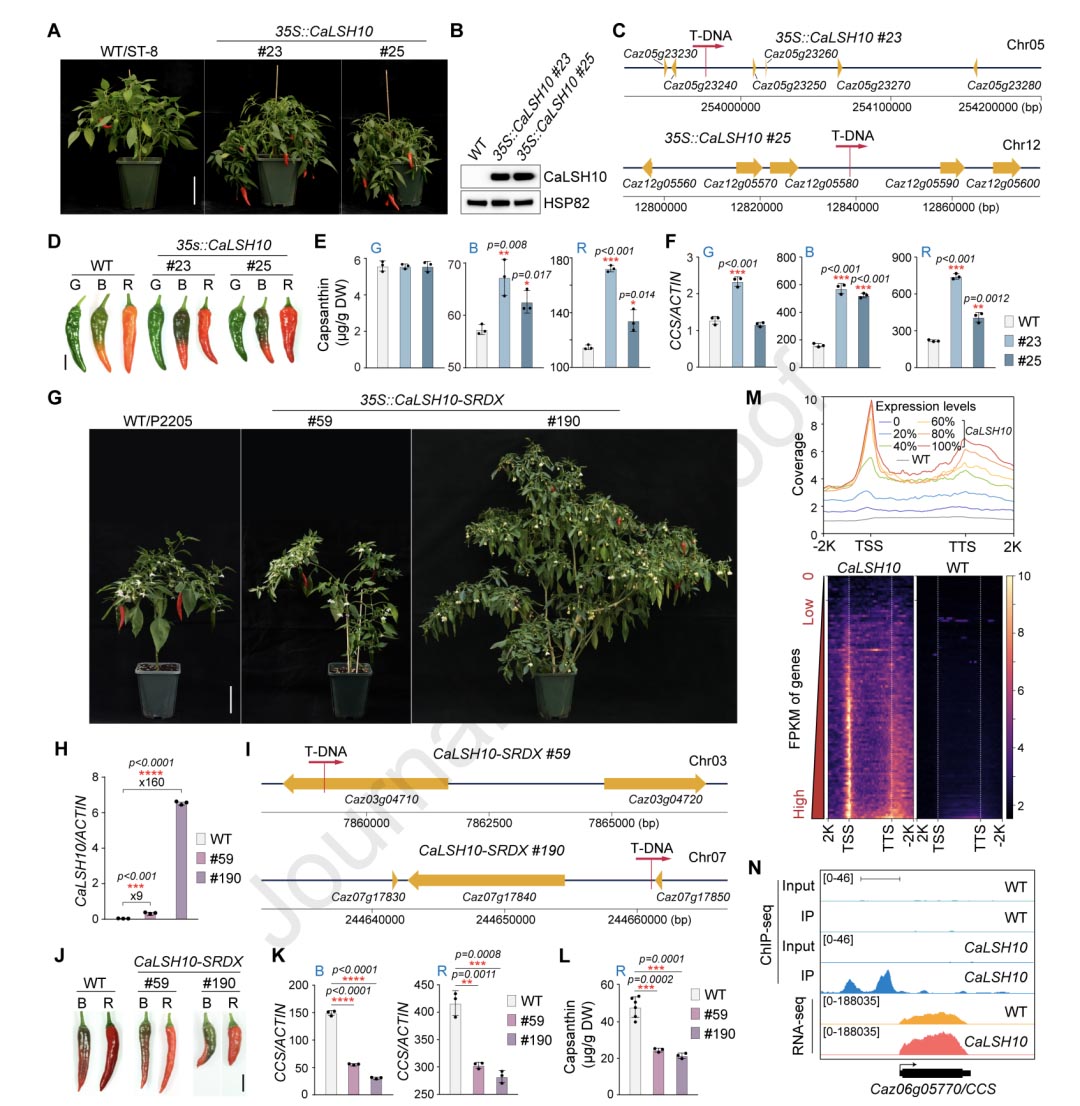
 June 16, 2026Capsanthin is the key carotenoid pigment responsible for the bright red color of chili pepper fruits, and its content directly…
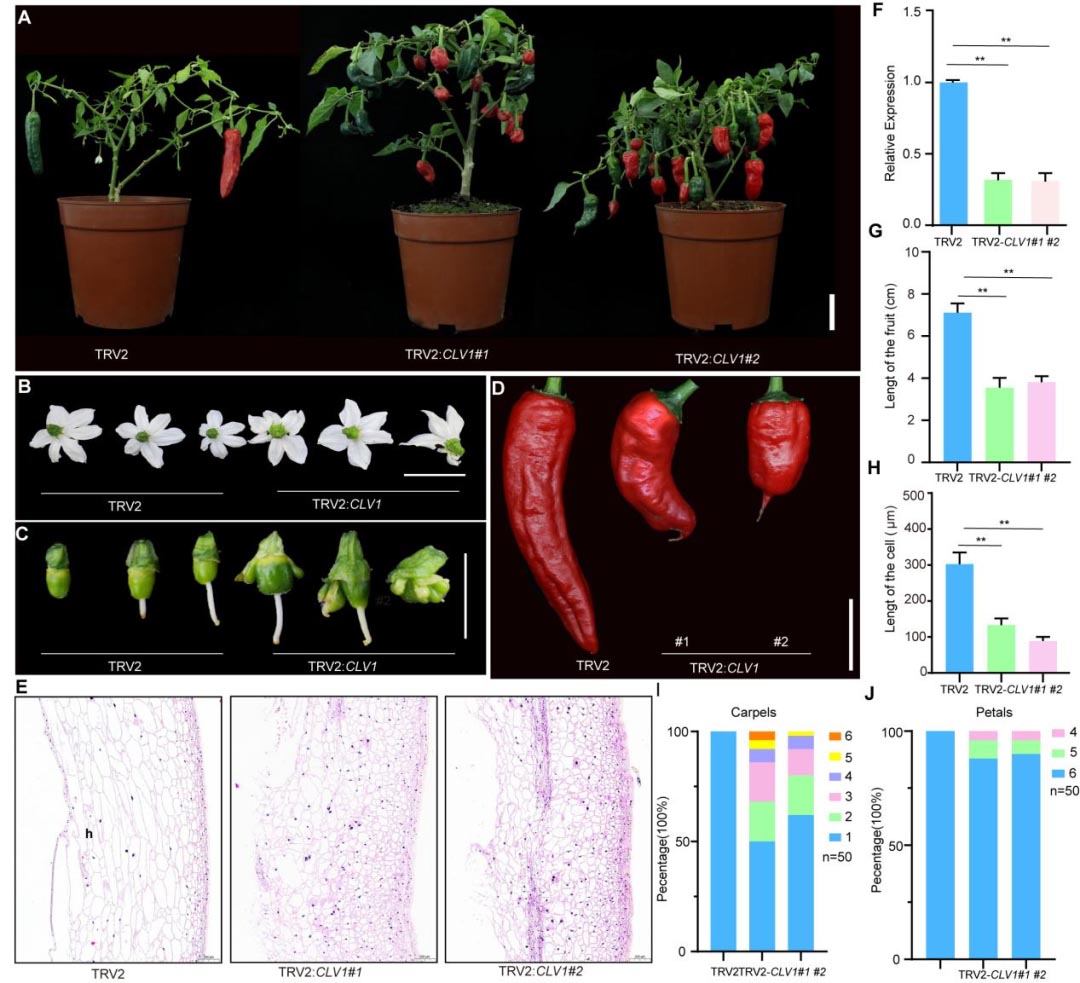
 June 16, 2026Fruit length is a key agronomic trait determining the yield and commercial value of pepper, yet the underlying genetic regulatory…
 June 11, 2026Since its introduction to China in the late 16th century, the chili pepper has evolved over more than four centuries…
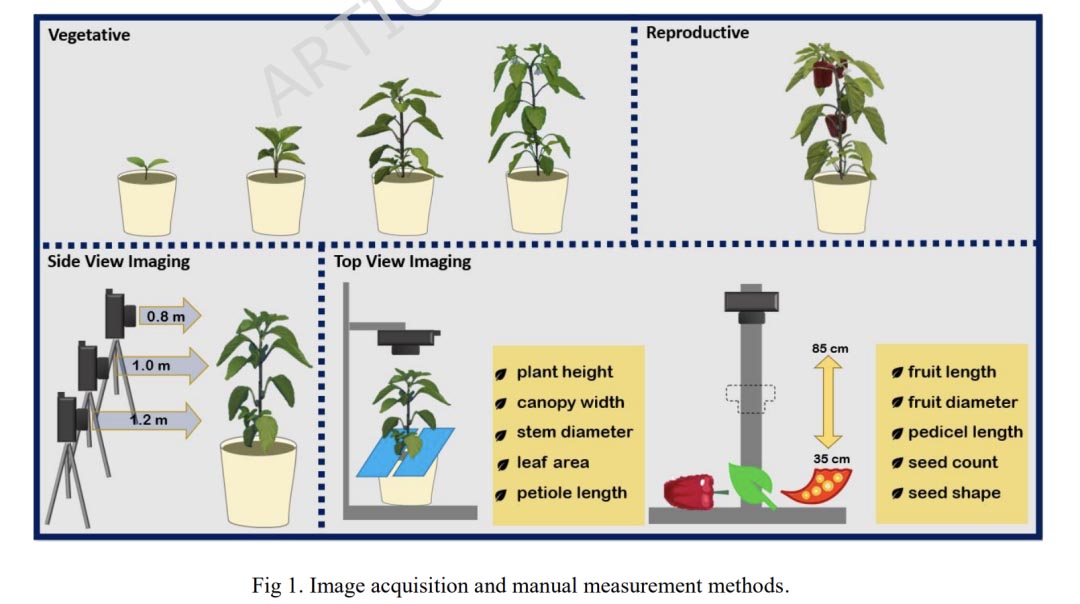
 June 10, 2026High-throughput phenotyping is a crucial tool for selecting plant traits and enhancing breeding efficiency; however, the impact of the distance…
 June 9, 2026Fruit color is a key agronomic trait determining the economic value of chili peppers, primarily governed by the accumulation of…
 June 8, 2026Capsaicin is a unique alkaloid found in chili peppers, giving them their spicy flavor and possessing significant value in food,…
lazytiger@126.com
Follow us