
If there is one type of food that people can eat all year round without getting tired of it—and that makes them “suffer and enjoy it” at the same time—it has to be spicy food.
Mapo tofu, spicy chicken, steamed fish head with chopped chili, stir-fried pork with chili, Chongqing hot pot… In China, where chili culture is deeply rooted, simply reading the names of these dishes is enough to make your mouth water.
That strange sensation of a burning tongue, a slightly sweaty forehead, and yet an irresistible urge to take another bite is probably the secret joy shared by everyone who loves spicy food.
But beyond the intense pleasure of that “spicy kick,” chili may also bring real benefits for lifespan and aging.
Frequent Chili Consumption Is Associated with a 13% Lower Risk of All-Cause Mortality
It May Also Slow Biological Aging by Nearly One Year
A previous study published in the American Journal of Preventive Cardiology [1], which analyzed data from more than 570,000 participants, found that compared with people who rarely or never ate chili peppers, those who consumed chili peppers regularly had a 13% lower risk of all-cause mortality, a 17% lower risk of cardiovascular disease mortality, and an 8% lower risk of cancer-related mortality.
Another study published in Nutrition Journal [2], based on data from 7,874 participants in a multi-ethnic Chinese cohort, showed that people who ate spicy food 3–5 days per week had an overall biological age that was 0.69 years younger than those who rarely ate spicy food. This “spicy anti-aging effect” appeared to be more pronounced among women, Han Chinese participants, and people with an overall healthier diet.
Eating Spicy Food May Also Protect the Brain and Improve Cognition
Living longer and aging more slowly are certainly important, but it would be far less meaningful if cognitive function could not keep up. Fortunately, eating spicy food may also have protective effects on the brain.
Recently, a research team from Peking University, Zunyi Medical University, and other institutions published a study in Nature Communications [3], revealing a possible “brain-protective power” of chili consumption.
The study found that after capsaicin enters the gut, it can regulate the composition of the gut microbiota, especially by increasing the abundance of the genus Oscillibacter. This change promotes the production of 24-hydroxycholesterol, also known as 24-HC, which helps the brain clear toxic proteins associated with Alzheimer’s disease while reducing neuroinflammation, thereby improving cognitive function.
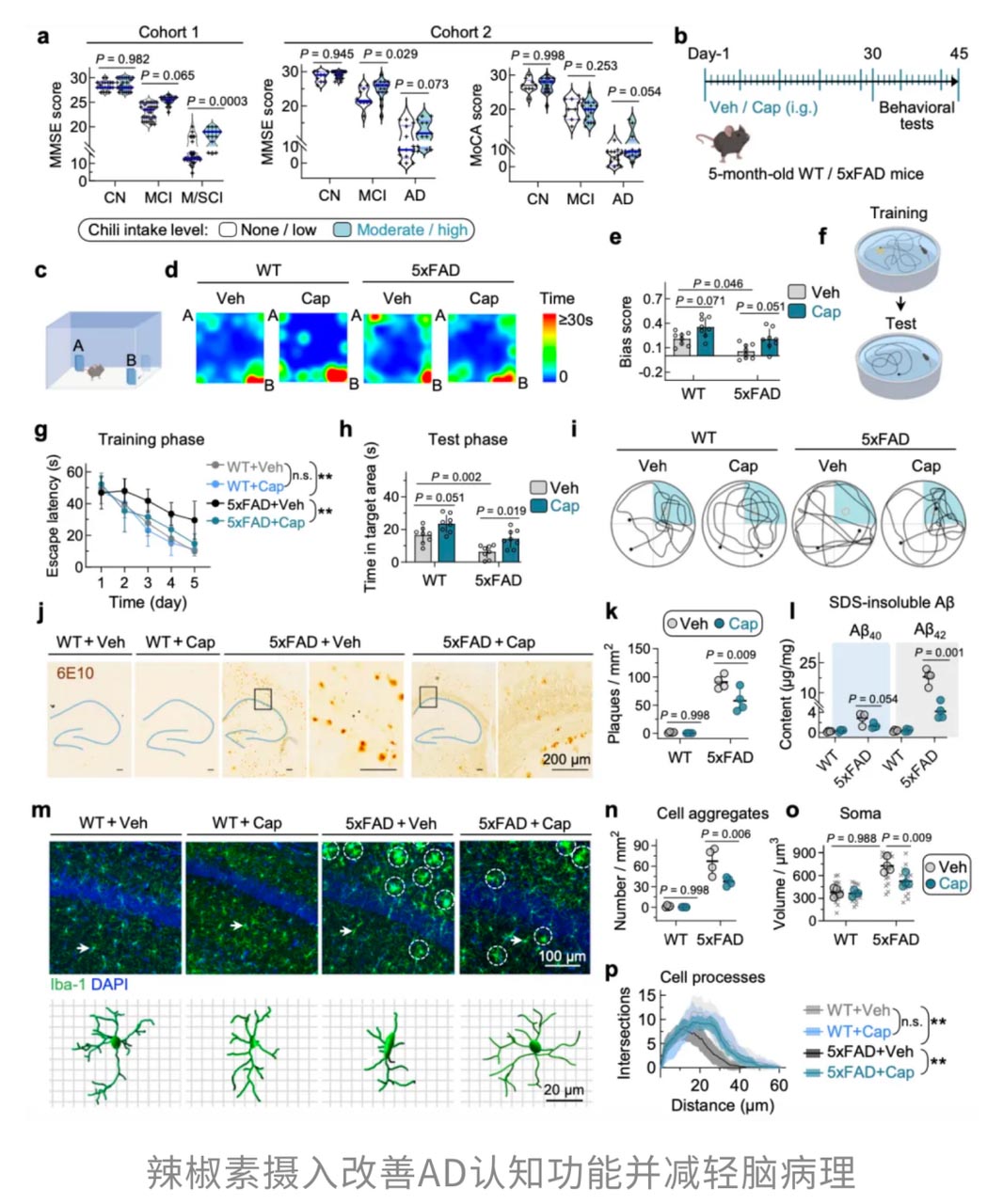
The results showed that in normal mice, capsaicin already showed a trend toward improving cognition. In 5×FAD mice, the effect was even more obvious. Their performance improved significantly in object location recognition, spatial memory in the Morris water maze, and novel object recognition.
In other words, capsaicin may not only benefit the normal brain, but may also help alleviate cognitive deficits in mouse models of Alzheimer’s disease.
Further anatomical analysis revealed that the number of beta-amyloid plaques in the hippocampus, the brain region responsible for memory, was significantly reduced in 5×FAD mice. At the same time, levels of multiple pro-inflammatory factors, including IL-1β and TNF-α, were also significantly decreased. The microglia, which had previously been in a highly inflammatory state, finally seemed to “calm down.”
Normally, microglia are responsible for clearing waste such as beta-amyloid protein. However, in the brains of Alzheimer’s disease patients, they can become “agitated.” Not only do they fail to perform their cleaning duties properly, but they also release inflammatory factors that damage neurons.
After capsaicin intake, these “overactive” microglia appeared to regain their “rationality.”
Even when people are gasping from the heat and sweating profusely, chili remains irresistibly appealing. It truly seems to be an underestimated treasure.
In fact, the painful yet pleasurable sensation we experience when eating spicy food mainly comes from the capsaicin receptor TRPV1. Many previous studies have speculated that capsaicin may protect the brain by activating TRPV1 and triggering a series of neuroprotective mechanisms.
Therefore, the researchers specifically developed a special type of mouse that not only carried Alzheimer’s disease-related mutations but also had the TRPV1 gene knocked out. Logically, if the brain-protective effect of capsaicin depended on TRPV1, then once the receptor disappeared, capsaicin should have lost its effect.
However, even without the TRPV1 receptor, capsaicin was still able to reduce beta-amyloid plaque accumulation, suppress excessive activation of microglia, and improve cognitive function in the mice.
This suggests that another mechanism must be involved in the brain-protective effect of capsaicin.
Since the TRPV1 pathway did not fully explain the effect, the researchers turned their attention elsewhere. As the saying goes in modern biomedical research: when in doubt, look at the gut microbiota. In recent years, increasing evidence has shown that gut microbes can influence brain inflammation through metabolites, immune signals, and other pathways.
The researchers then transplanted the gut microbiota from capsaicin-fed mice into another group of mice that had never consumed capsaicin. As a result, even these mice showed changes in the hippocampus that pointed toward cognitive improvement.
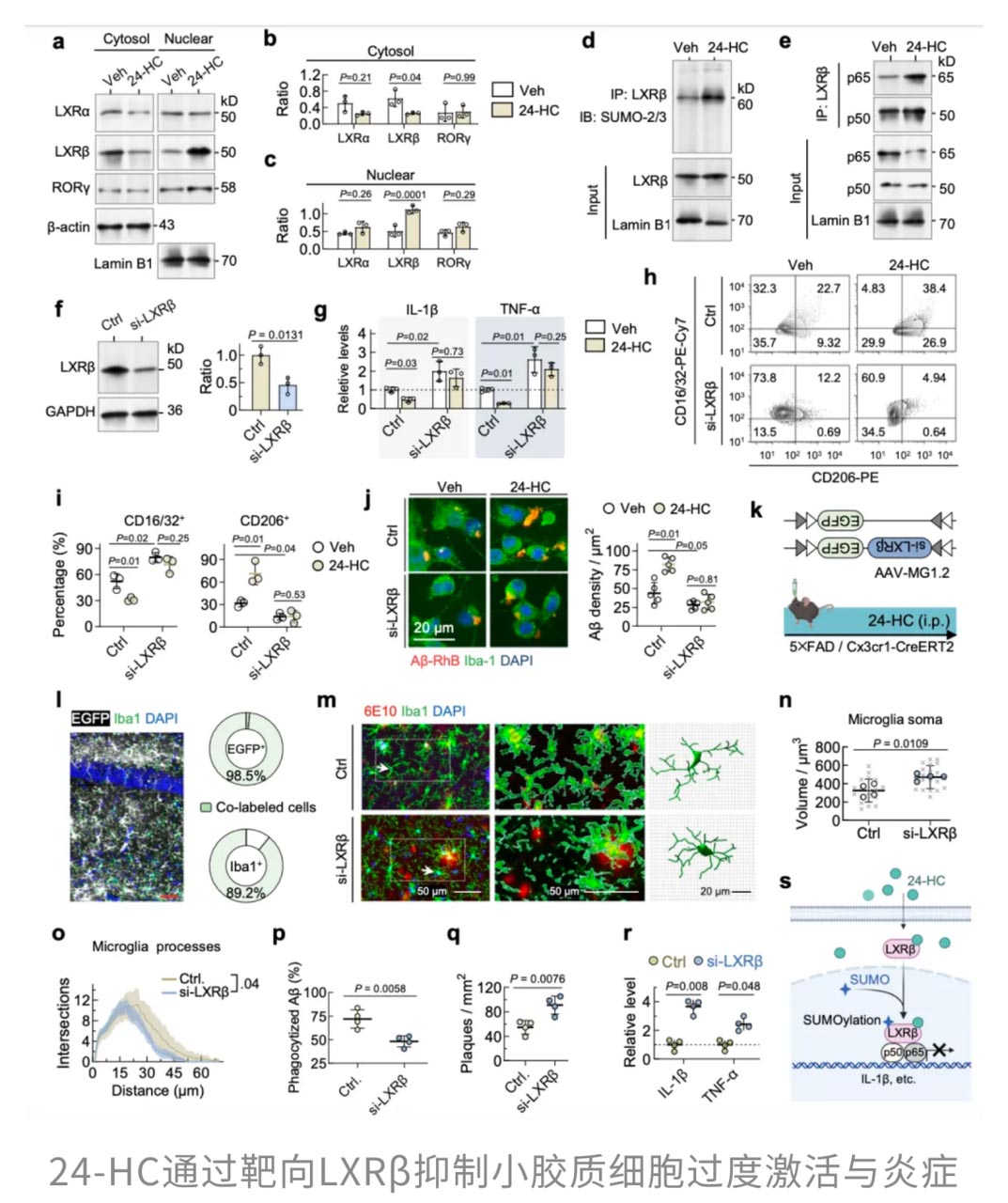
Mechanistically, after entering the brain, 24-HC binds to the LXRβ receptor on microglia, thereby suppressing the release of inflammatory factors, restoring microglial clearance function, reducing beta-amyloid plaque accumulation, and ultimately improving cognition.
Image
Eating Spicy Food May Suppress Cancer Cell Proliferation
This could truly be described as “spice passing through the gut, protection remaining in the brain.” But beyond brain protection, capsaicin may also play a role on the anti-cancer front.
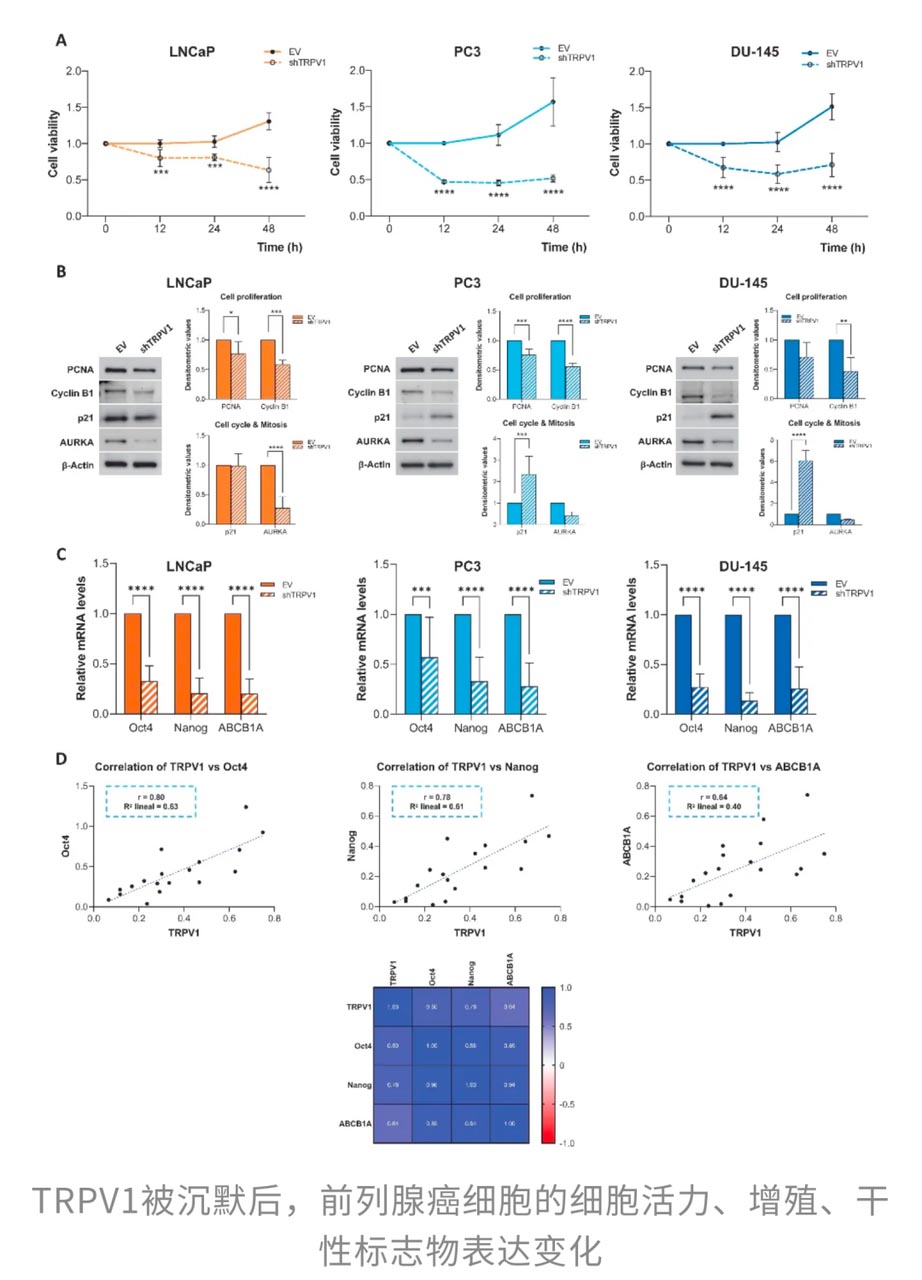
Recently, a study published in the International Journal of Biological Sciences [4] found that capsaicin can suppress the proliferation and growth of prostate cancer cells by continuously reducing the level of TRPV1 protein in those cells.
Under normal circumstances, the capsaicin receptor TRPV1 is mainly found in nerve endings, where it helps us sense heat and pain. However, in patients with prostate cancer, this normally well-behaved receptor appears to “switch sides” and help cancer cells cause trouble.
This finding is quite counterintuitive. Why would a protein responsible for sensing burning pain show up inside cancer cells?
In other words, TRPV1 interferes with the core life activities of cancer cells. It promotes cell cycle progression and DNA replication, helping cancer cells divide and proliferate. If this “proliferation switch” is turned off, cancer cell division can be forced into a stalled state.
Since shutting down TRPV1 can inhibit cancer cells, could capsaicin, the natural activator of TRPV1, achieve a similar effect?
The results suggested that capsaicin “mimicked” the effect of TRPV1 silencing. By gradually reducing excessive TRPV1 on the surface of cancer cells, capsaicin indirectly inhibited cancer cell proliferation.
Of course, cell experiments alone are not enough. Whether a molecule has real clinical potential depends on whether it can produce similar effects in living animals, and ultimately in real patients.
The results showed that mice fed a high-fat diet had significantly increased plasma levels of prostate-specific antigen, or PSA. In addition, TRPV1 expression in their prostate tissue was also markedly elevated.
However, in mice fed a high-fat diet supplemented with capsaicin, PSA levels fell back to levels similar to those in the standard diet group. At the same time, TRPV1 expression was successfully suppressed, and markers of cancer cell proliferation were significantly reduced in this group of mice.
In other words, in living mice, capsaicin not only reduced TRPV1 expression but also suppressed cancer cell proliferative activity.
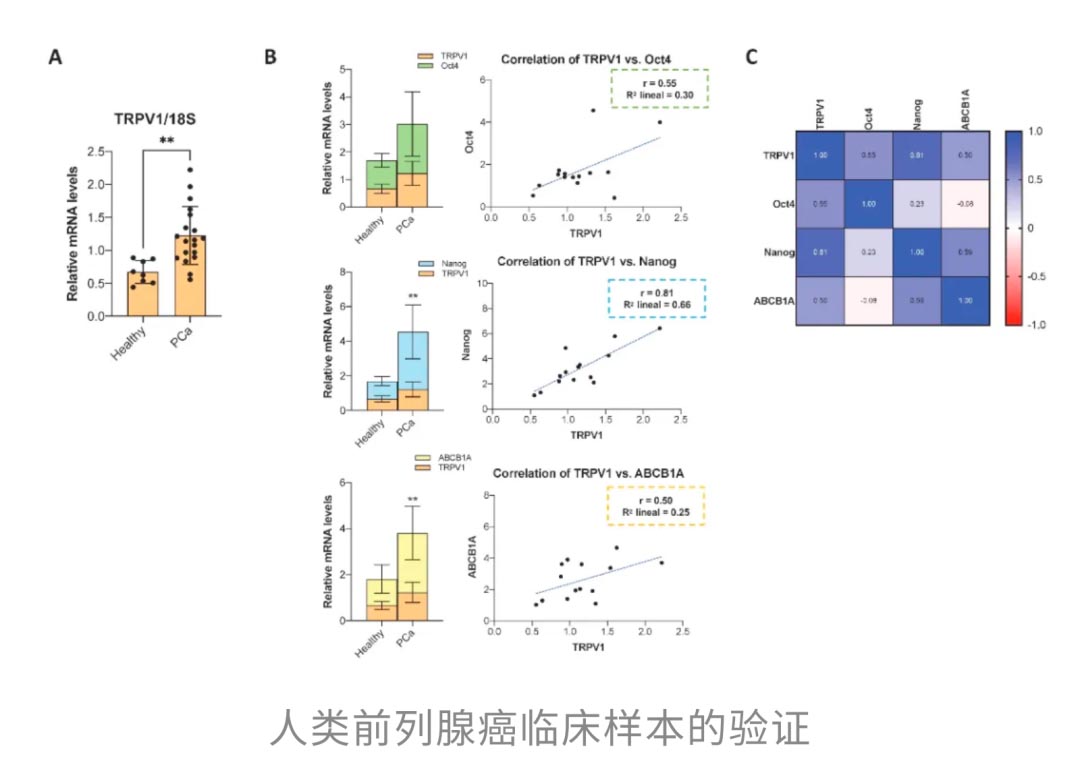
In prostate cancer patients, TRPV1 is highly expressed. The higher its expression, the more “cunning” the cancer cells may be, behaving more like stem cells that are difficult to eliminate and potentially showing reduced responsiveness to treatment.
Overall, the studies above reveal that the everyday habit of eating spicy food may involve multiple pathways that affect human health.
At the brain level, capsaicin increases the abundance of Oscillibacter in the gut, promotes 24-HC production, suppresses the release of inflammatory factors, reduces neuroinflammation, decreases beta-amyloid plaque accumulation, and ultimately improves cognitive function.
On the anti-cancer front, the TRPV1 receptor, originally responsible for sensing heat and pain, is abnormally highly expressed in prostate cancer cells and promotes cancer cell proliferation. Capsaicin, as a natural agonist of TRPV1, can gradually reduce TRPV1 expression and thereby inhibit cancer cell proliferation.
However, eating spicy food is not without potential pitfalls. Many spicy dishes people enjoy are also oily and salty. The benefits of capsaicin may be offset by excessive oil and salt, and may even bring new health risks. So if you do not naturally enjoy spicy food, there is no need to force yourself to eat it.
Note: In study [3], the human population data came from an observational study and cannot directly establish causality. Study [4] did not reveal the molecular pathway by which capsaicin induces TRPV1 degradation, and the human sample size was relatively small, so larger cohorts are needed for further validation.