
Product Details
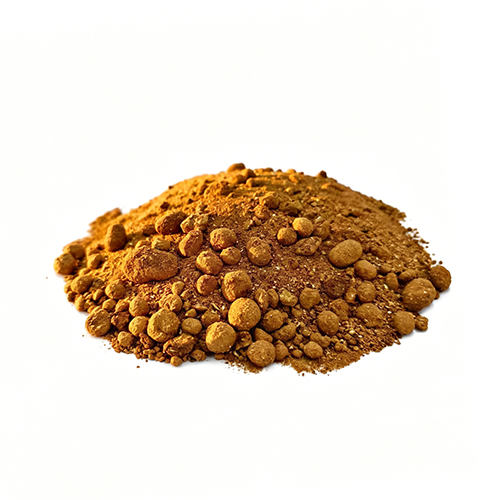
This product is a natural, high-protein functional byproduct derived from the deep processing (pigment/capsaicin extraction) of high-spiciness industrial chilies such as Yunnan Shuan Shuan La, Devil Chili, and Jin Dao No. 1. After impurity removal, sterilization, and drying, it is a certified single feed ingredient in the “Feed Raw Material Catalog,” not ordinary “by-products.” It combines nutrition and functionality and is supplied in ton-sized batches.
1. Product Specifications and Parameters
1. Appearance
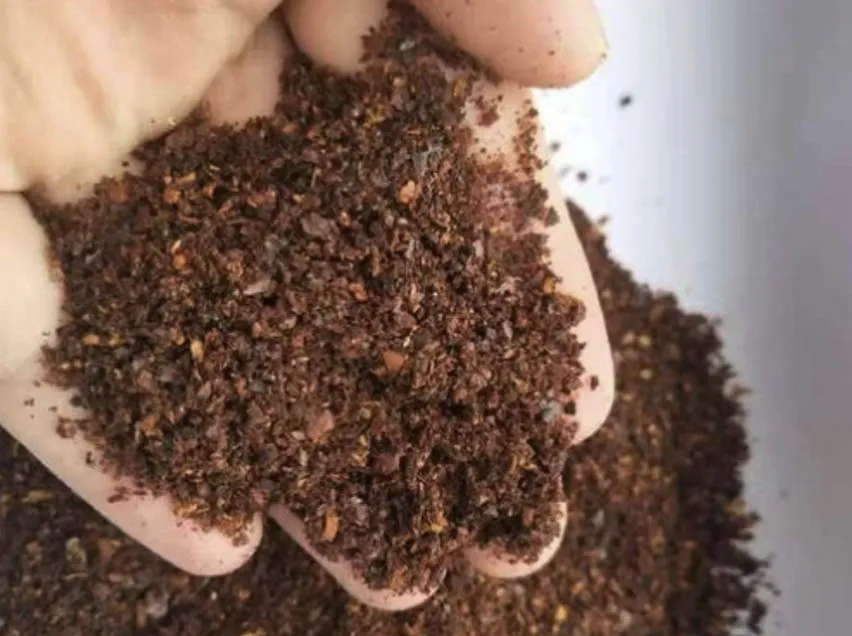
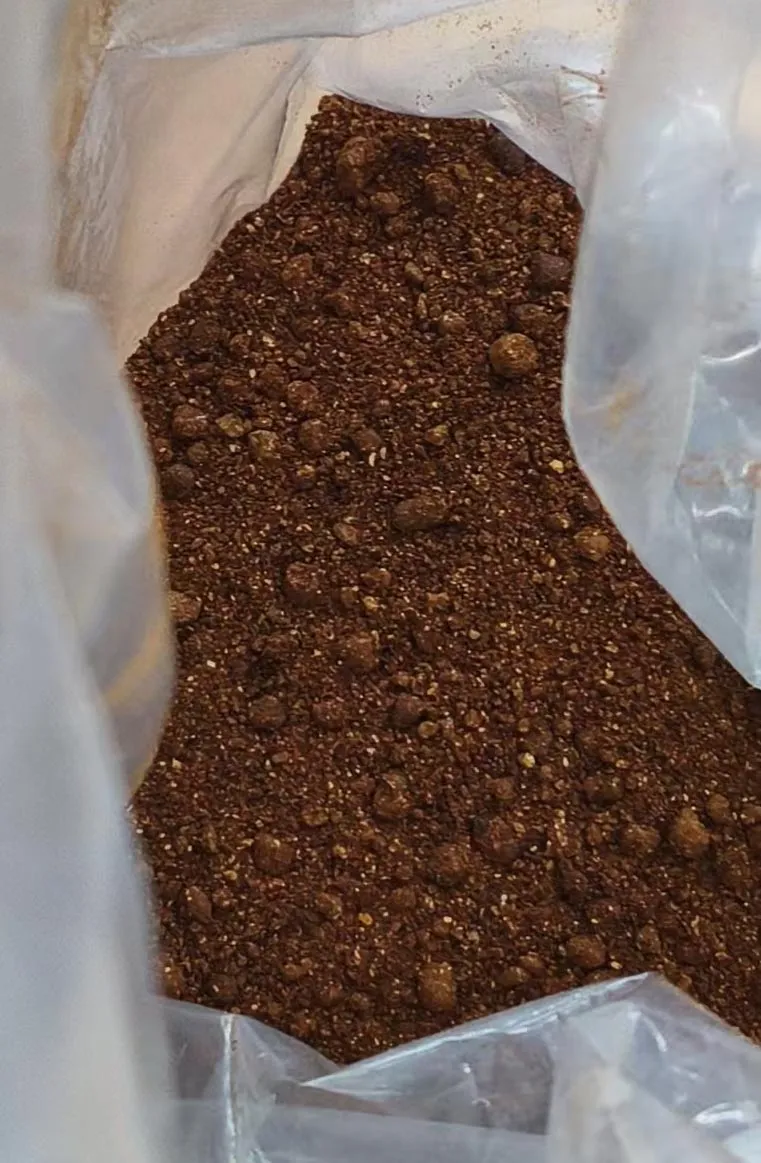
Slightly reddish / light brown-yellow powder or flakes, with a mild natural chili aroma and slight pungency.
Residual capsaicin content: 0.1%–0.5%.
No mold, no visible impurities, and no foreign matter.
2. Product Parameters
| Indicator | Content | Commercial Value |
|---|---|---|
| Crude Protein | 15%–18%; premium grade can reach 20%–24% | Close to wheat bran and higher than corn; a plant-based protein source |
| Crude Fiber | 25%–32% | Supports intestinal health and meets rumen fiber needs for ruminants |
| Crude Fat | 3%–8% | Provides energy and helps improve palatability |
| Moisture | ≤12% | Easy to store and helps prevent mold |
| Ash | 6%–9% | Rich in minerals such as potassium, calcium, phosphorus, iron, and zinc |
| Residual Capsaicin | 0.1%–0.5% | Supports digestion, antibacterial function, pest resistance, and circulation |
| Natural Pigments | Capsanthin / Carotenoids | Natural coloring ingredient for egg yolk and meat color improvement |
| Amino Acids | 17 types; umami amino acids account for about 43% | Improves flavor and supports digestion |
3. Reference Price
RMB 1,800 / metric ton
Free shipping for orders of 30 metric tons.
2. Core Advantages
Strong Value for Ton-Level Procurement
Natural Coloring and Higher Product Premium
Rich in capsanthin, this product can help laying hens produce orange-red egg yolks and brighter, stronger eggshells.
When used in cattle and sheep feed, it may help improve meat color and enhance the commercial value of meat and egg products.
Supports Appetite and Feed Conversion
The trace amount of residual capsaicin helps stimulate appetite.
Feed intake in livestock and poultry may increase by 8%–15%, helping reduce picky eating and poor appetite.
It also supports intestinal health, helps reduce diarrhea and enteritis occurrence, and may improve feed conversion efficiency by 5%–10%.
Cost Reduction and Efficiency Improvement
This product costs only about 50%–70% of soybean meal.
It can partially replace corn, wheat bran, and soybean meal at an inclusion rate of 5%–25%, helping significantly reduce feed cost per metric ton.
It is especially cost-effective for large-scale farming operations.
Safe, Residue-Free, and Suitable for Green Farming
Made from food-grade processing by-products.
The product is free from mold, drug residues, and heavy metals, and meets green feed standards.
It is suitable for ecological farming, organic farming, and sustainable livestock production scenarios.
Wide Application and Strong Compatibility
Suitable for laying hens, broilers, meat ducks, beef cattle, sheep, pigs, and aquaculture.
It meets the ton-level procurement needs of feed mills, large-scale farms, and free-range farming operations.
3. Recommended Inclusion Rate
Laying Hens / Broilers
Recommended inclusion rate: 3%–5%
Can partially replace corn, help improve egg yolk color, and support egg production performance.
Beef Cattle / Sheep
Recommended inclusion rate: 5%–15%
Can partially replace wheat bran, support weight gain, improve milk yield, and enhance meat quality.
Fattening Pigs
Recommended inclusion rate: 8%–12%
Can partially replace soybean meal, support growth, and help improve stress resistance.
Aquaculture: Fish and Shrimp
Recommended inclusion rate: 2%–3%
Helps improve natural coloration, support disease resistance, and enhance vitality.