
Introduction
In farmland lives a “spicy girl” that strikes terror into pests — capsaicin. It is a natural defensive agent produced by pepper plants and a rising star in global green agriculture. While conventional chemical pesticides engage pests in head-on combat, capsaicin relies on its natural neuro-repellent mechanism to drive pests away voluntarily.
I. The Insect-killing Secret Behind the Heat
Capsaicin (8-methyl-N-vanillyl-6-nonenamide, C₁₈H₂₇NO₃) is a natural defensive compound of plants in the Capsicum genus. First isolated in 1816 and registered as a pesticide in the United States in 1962, it ranks among the world’s earliest natural pesticide active ingredients.
Its pest-control effect stems directly from its spiciness. Capsaicin activates TRPV1 thermosensitive receptors located on pests’ antennae and tarsi, triggering an intense burning sensation, disrupting the pests’ nervous system and causing them to stop feeding and escape rapidly. For moth larvae, capsaicin also suppresses the expression of detoxification enzyme genes (CYP392E10, CYP406A1), fundamentally undermining pests’ resistance to toxic substances.
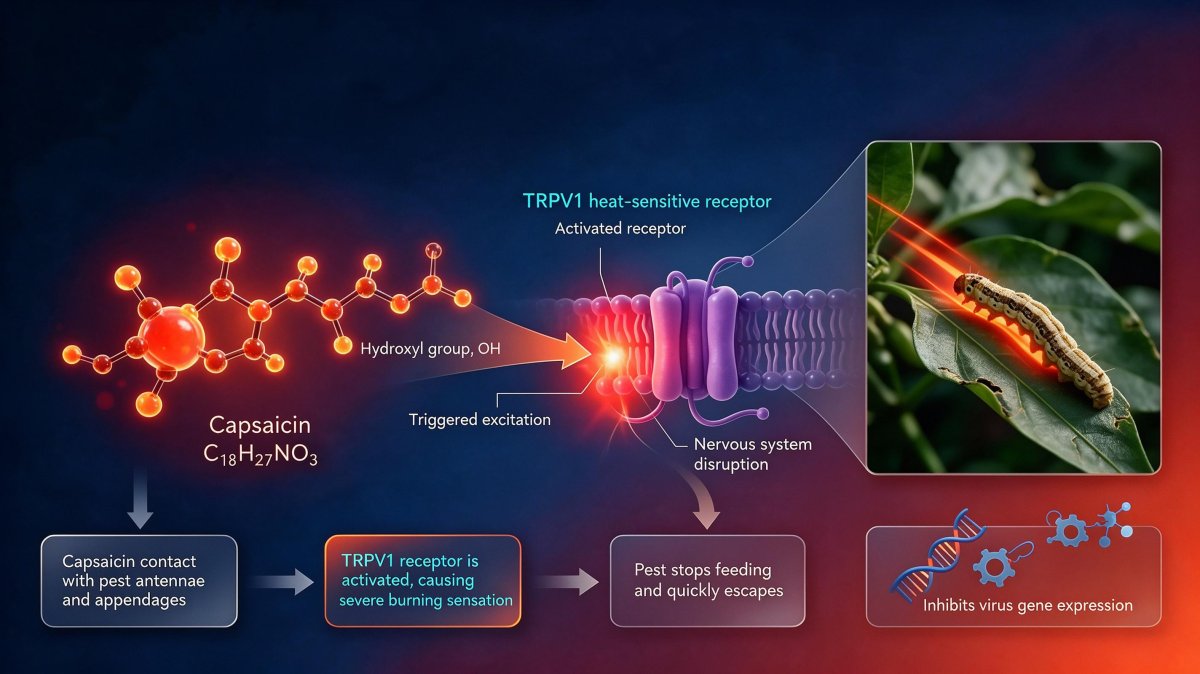
Diagram note: TRPV1 Receptor-Capsaicin Binding Mechanism / Slow-motion Footage of Fleeing Pests
| Pest Type | Mode of Action | Control Efficacy |
| Aphids | Neuro-repellency + feeding inhibition | Sharp population decline within 7 days |
| Diamondback Moth | Larval antifeedant + reproduction suppression | Case in Ghana: 60 % yield loss reduction |
| Spider Mites | Metabolic disruption + cell membrane damage | 91.5 % mite mortality in 7 days |
| Thrips | Sensory-system disturbance | Sustained repellency, reduced pest population |
| Whiteflies | Repellency + oviposition inhibition | Marked suppression of pest base population |
II. From Farmland to Practical Use: Four Major Application Scenarios for Capsaicin-Based Biopesticides
Agricultural Cultivation
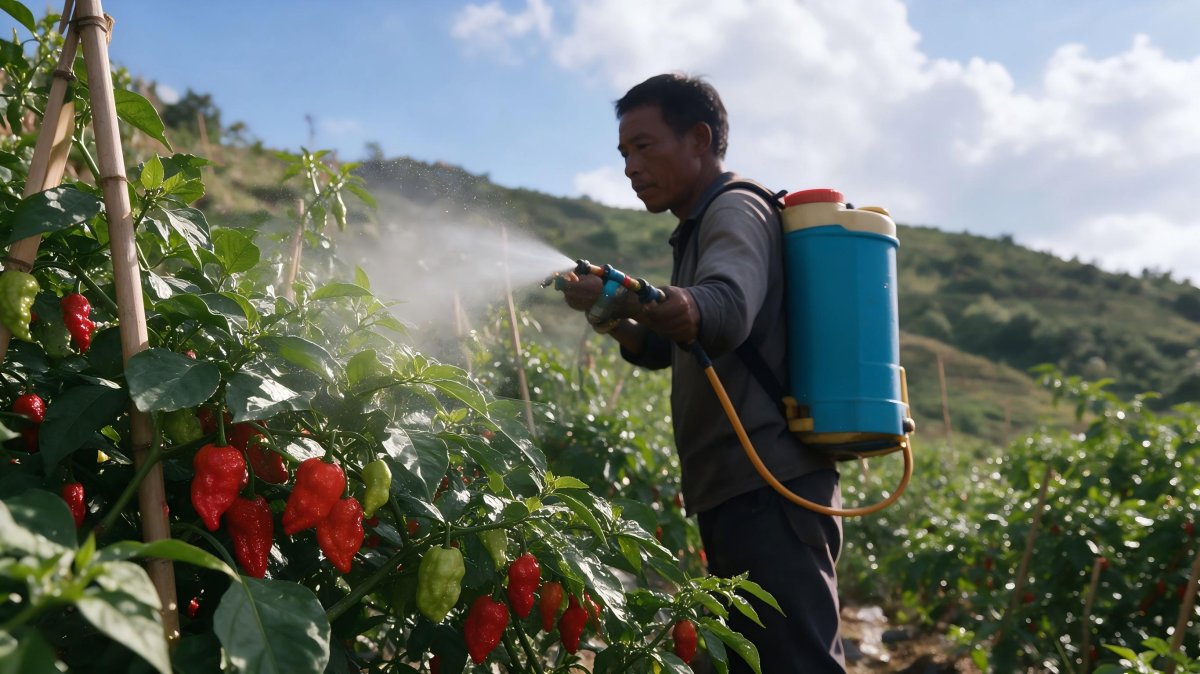
Foliar spray at concentrations of 0.1 % -0.5 %, applied weekly, to repel piercing-sucking pests such as aphids and spider mites. Farmers in Zambia use fresh pepper extracts (1 kg fresh pepper + 2 L water + liquid soap) against bean aphids with visible effects within seven days. Farmers in Ghana apply hot pepper extracts (20 g/L) against diamondback-moth larvae, spraying once weekly until harvest. The formulation is naturally safe and requires no pre-harvest interval.
Grain and Feed Storage
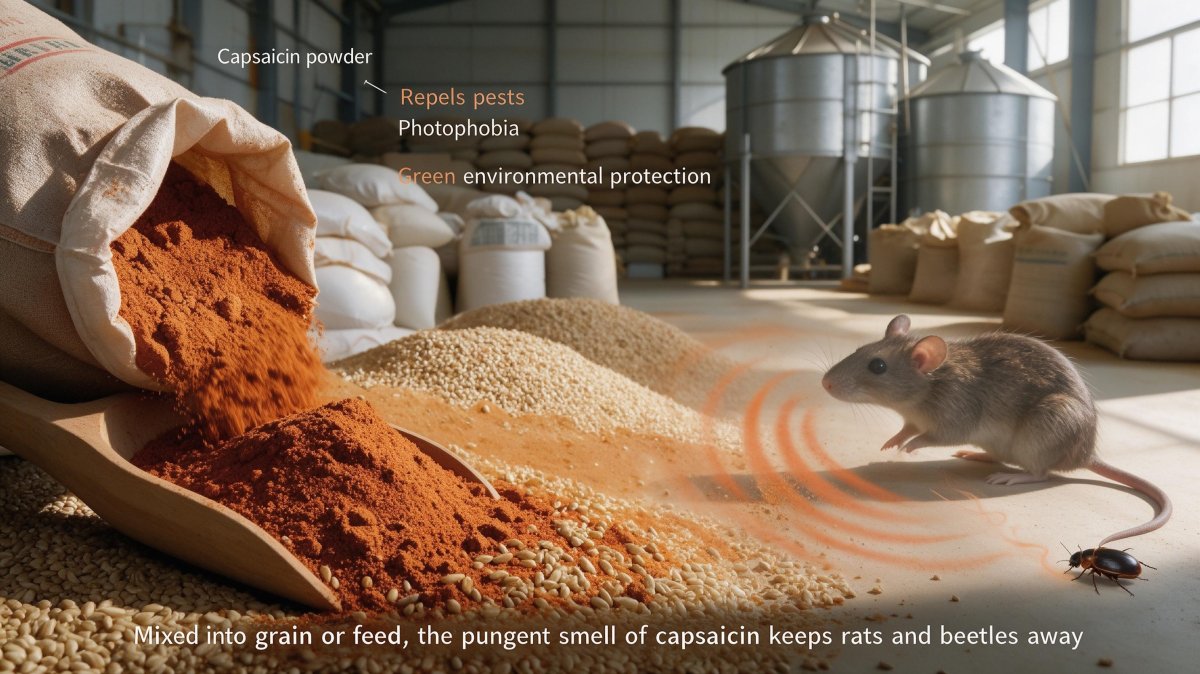
Blend pepper meal powder into stored grain or animal feed. The odour of capsaicin creates strong discomfort for rats and grain beetles, prompting them to keep away. Free of chemical residues, it serves as a green alternative for grain-stock protection.
Livestock and Poultry Farms
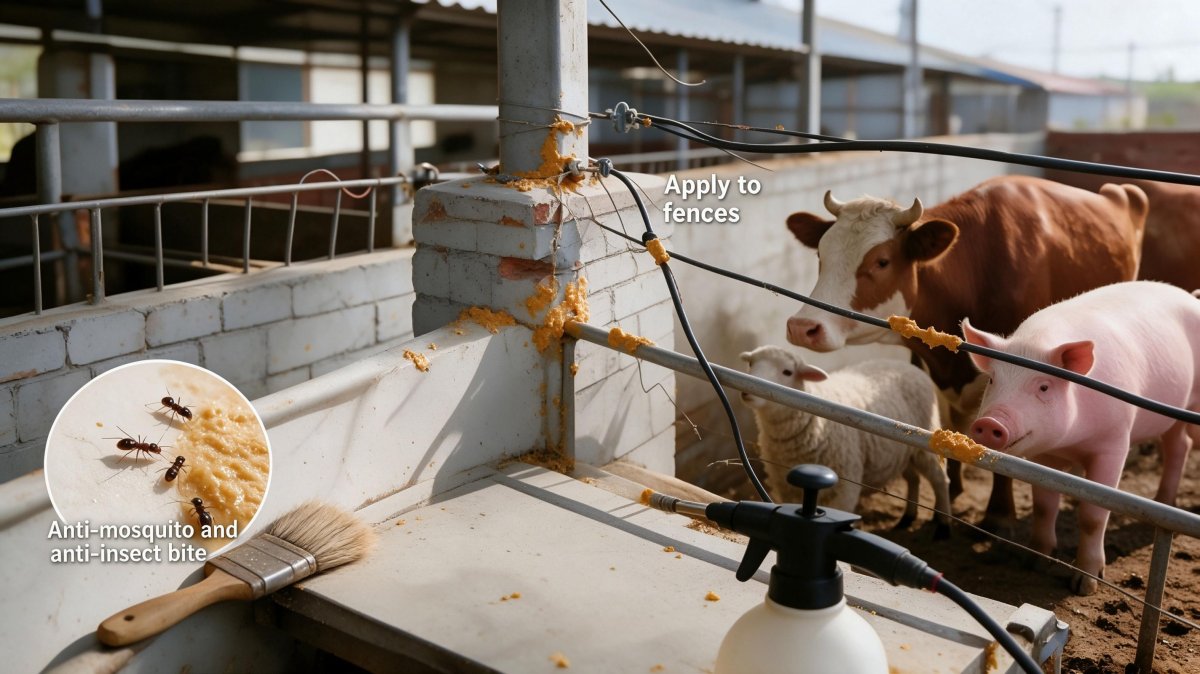
Apply capsaicin formulations to fences and wall corners. It deters wild boars, hares and deer from gnawing farm infrastructure, and prevents livestock from chewing fences and electrical wires, lowering wildlife-caused damage.
Home Gardening
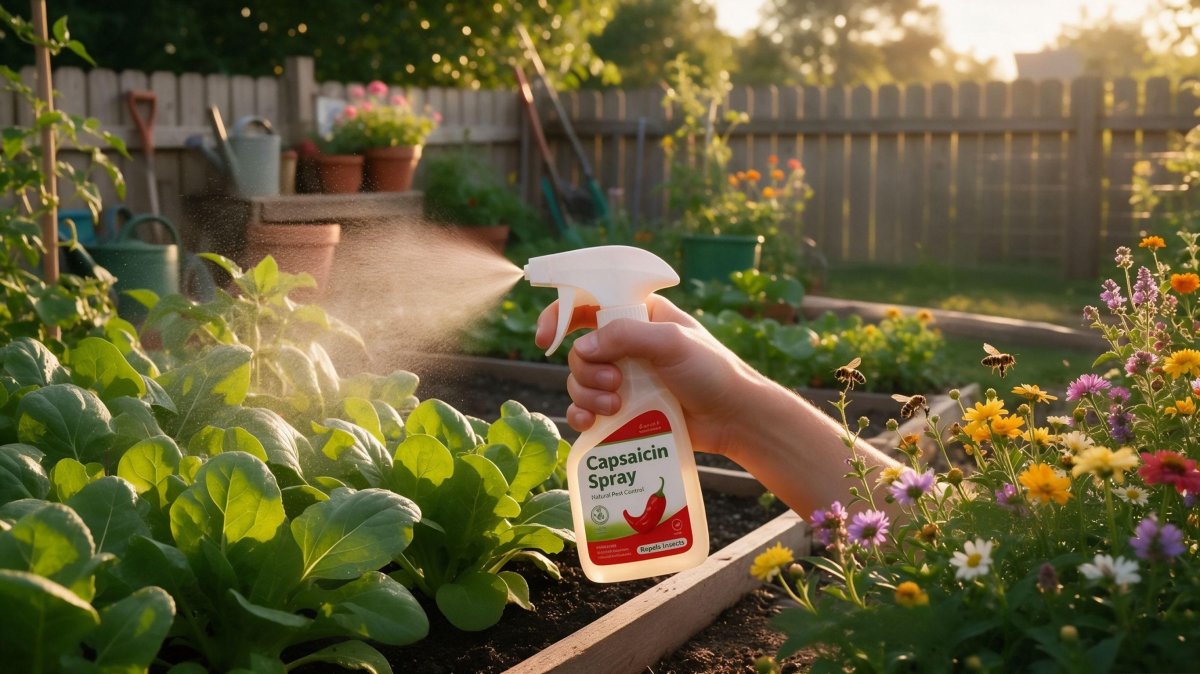
Pepper-based sprays shield vegetables and ornamental plants, repelling squirrels and rabbits, with negligible impact on pollinators such as bees and butterflies. Apply in the evening for safe and effective results.
III. Why Capsaicin Represents the Future of Green Agriculture
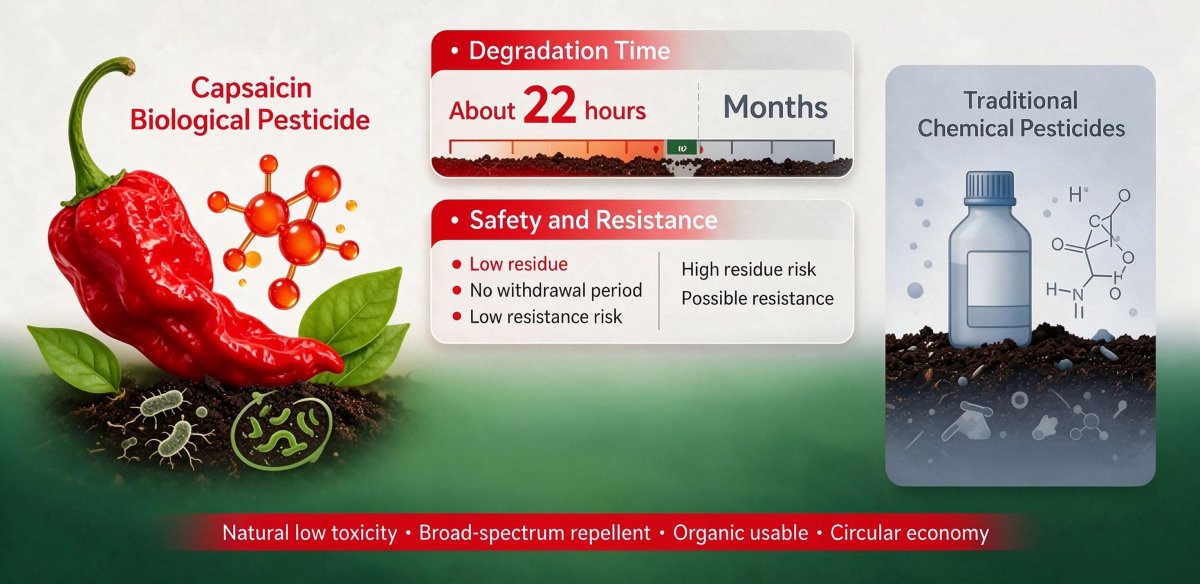
Compared with mainstream synthetic chemical pesticides globally, capsaicin biopesticides deliver distinct advantages in safety, environmental-friendliness and sustainability.
✅ Naturally low residual levels Soil half-fall, with zero bioaccumulation; no pre-harvest waiting period is needed.
✅ Broad-spectrum repellency One single formulation works against mammals (rats, deer, hares), birds and diverse insect pests, cutting overall pesticide-application costs.
✅ Low risk of pest resistance It targets TRPV1 sensory receptors via physical repellency rather than the neurotoxic killing pathways of synthetic pesticides. Pests struggle to develop targeted resistance.
✅ Organic-certified eligible Classified under US EPA low risk category (FIFRA 25(b)), and permitted for organic farming within the European Union. An ideal option for organic farms and eco-friendly cultivation.
✅ Circular-economy compatible Raw materials derive from pepper-processing by-products (pepper meal), forming a closed-loop industrial chain of “cultivation-processing-extraction-field return”, aligned with UN SDG objectives.
IV. Scientific Application to Maximize the Power of Our “Spicy Girl”
Although capsaicin is low-toxic by nature, proper application ensures optimal performance.
- Direct–contact principle: Foliar sprays must fully coat both upper and reverse leaf surfaces. Apply no less than 38 L diluted solution per mu to guarantee direct contact with pests.
- Regular and sustained spraying: Fast degradation means re-spraying 2-3 hours after rainfall. Weekly applications are recommended; raise concentration and frequency during pest outbreaks or for dense crop canopies.
- Personal protective measures: Capsaicin irritates skin and eyes. Wear long-sleeved clothing, long trousers, waterproof gloves and goggles during preparation and spraying; avoid bare-hand handling.
- Optimal spraying timing: It poses potential risk to bees. Do not spray flowering nectar-bearing plants during daytime pollination hours; apply after dusk once bee activity ceases.
V. Jindao Capsaicin: Powering Green Agriculture with Our “Spicy Girl”
From kitchen condiment to field-proven green defender, capsaicin has accomplished a remarkable cross-industry transformation. What tastes unbearably spicy to humans is exactly what pests fear most. As global organic-agriculture regulations tighten and consumers increasingly demand residue-free food, natural biopesticides represented by capsaicin are entering an unprecedented golden era.
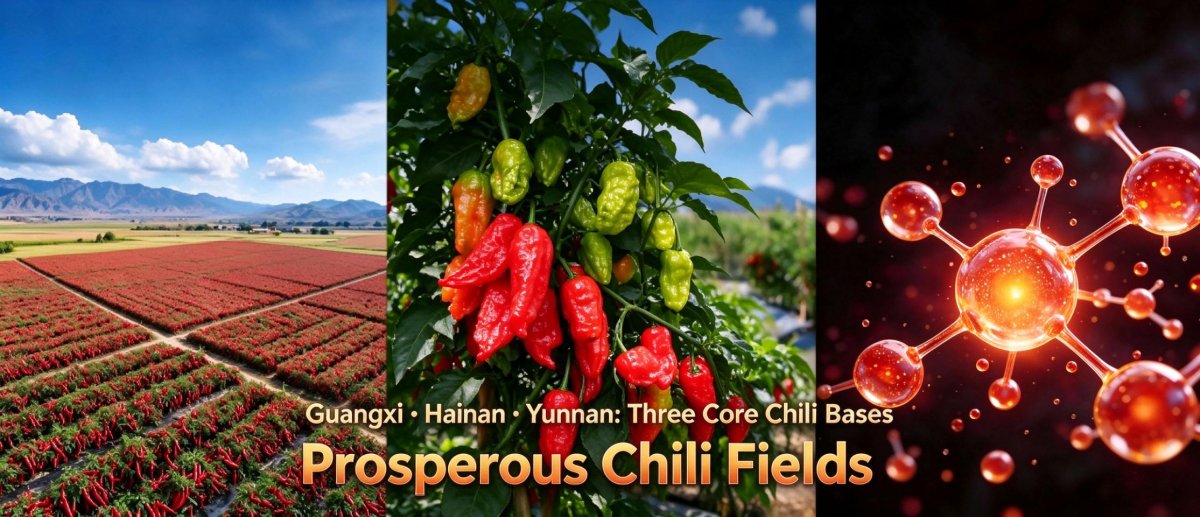
Relying on three core pepper planting bases in Guangxi, Yunnan and Hainan, Jindao Capsaicin Science & Technology independently breeds the industrial-pepper cultivar “Jindao No.1”. We operate a full-value-chain layout covering variety breeding through capsaicin extraction, and supply stable natural capsaicin raw materials for biopesticide formulation manufacturers. Traceable sources, verifiable quality and customisable specifications ensure every drop of our biopesticide carries nature’s protective power.