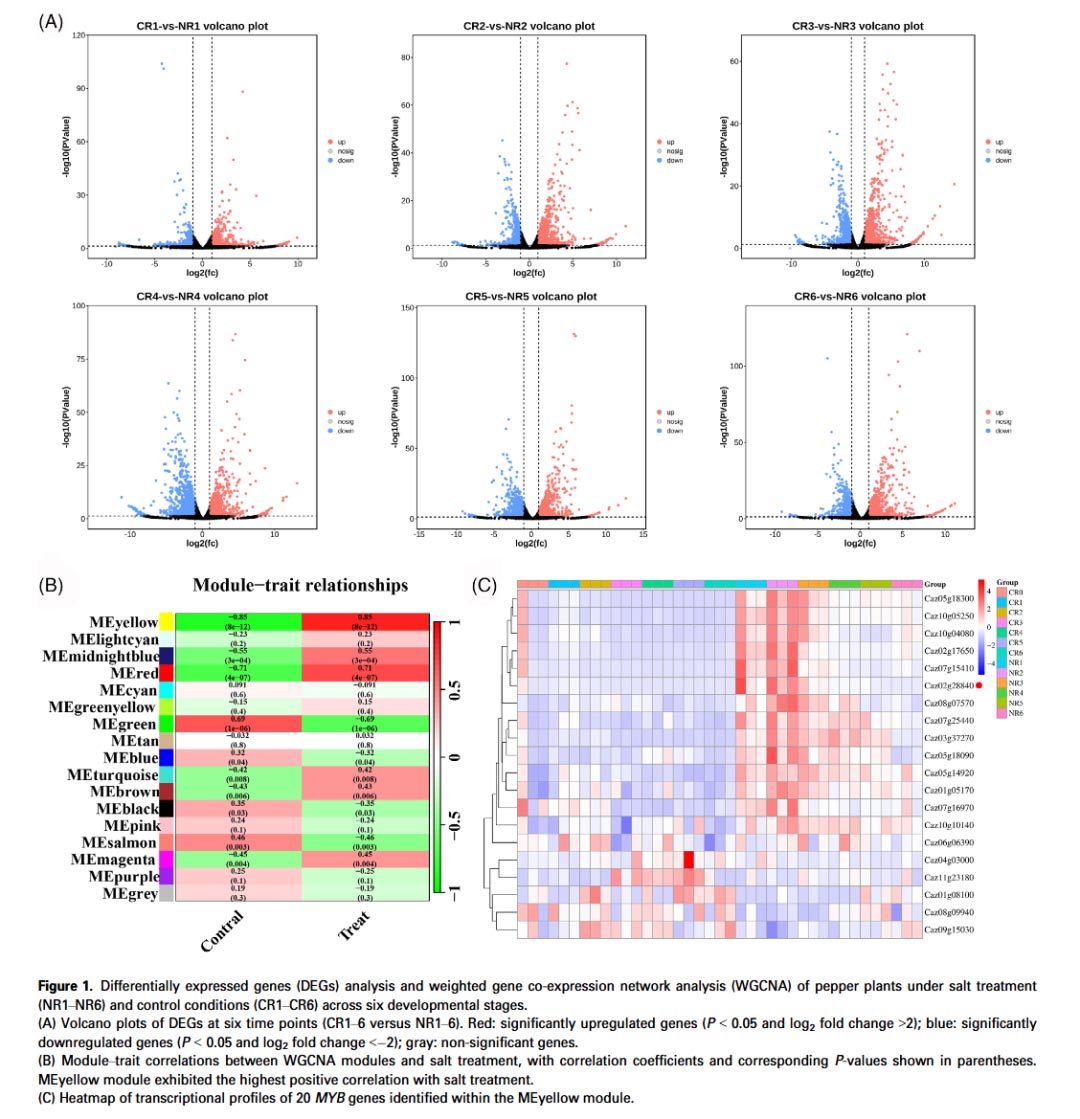
Salt stress is a major abiotic stressor limiting pepper production. Abscisic acid (ABA) plays a crucial role in plant salt tolerance, but its transcriptional regulatory network remains unclear. Recently, Liu Feng, Xiong Cheng, and Zou Xuexiao (corresponding authors) from Hunan Agricultural University revealed the molecular mechanism by which the negative feedback regulatory loop between CaMYB121 and CaABF2 enhances salt tolerance in pepper by regulating CaNHX2 expression. The relevant research results, titled “CaMYB121-CaABF2 negative feedback loop modulates CaNHX2 expression to confer salt tolerance in pepper,” were published in the academic journal The Plant Journal.
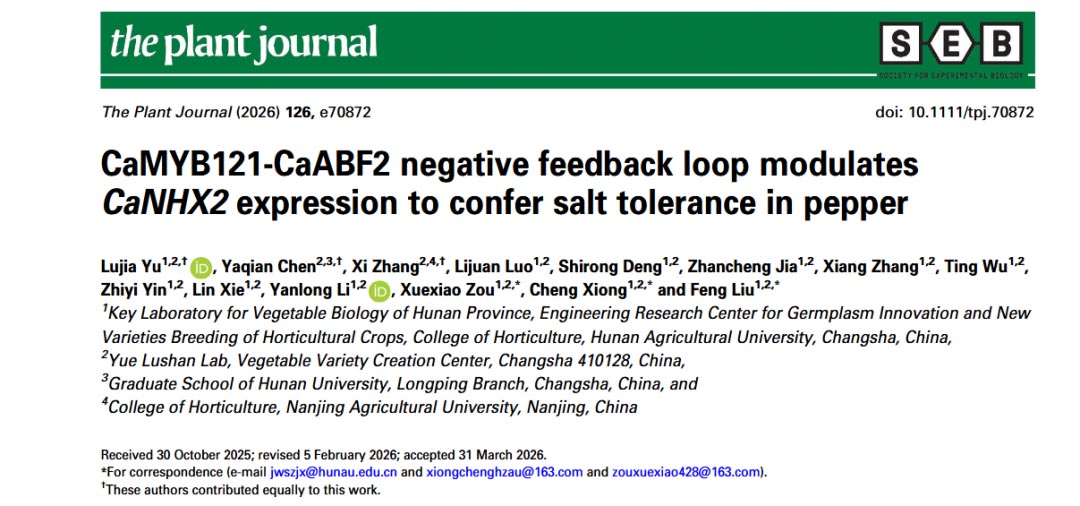
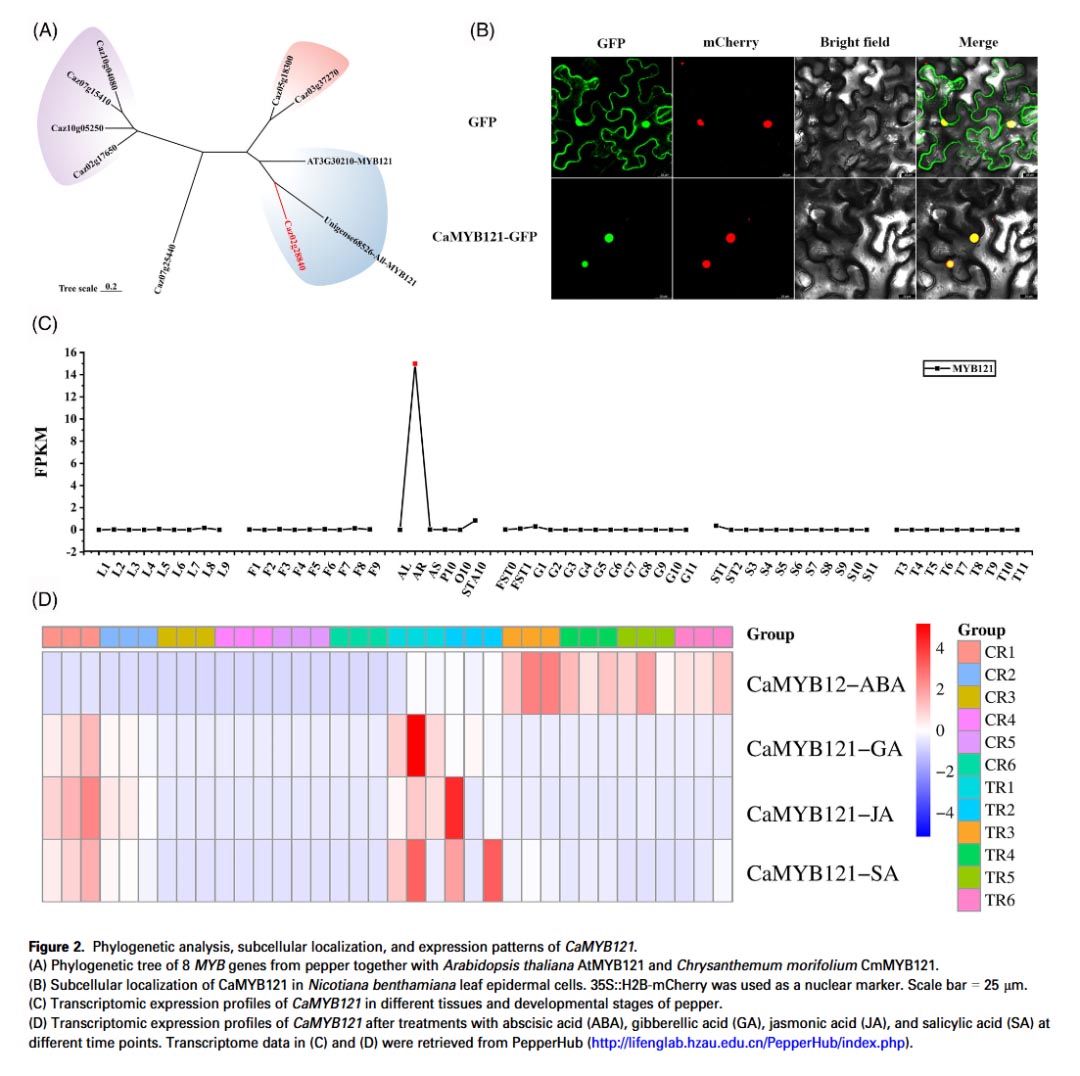
This study first sequenced the transcriptome of pepper roots at six time points after salt treatment (200 mM NaCl). Combined with weighted gene co-expression network analysis, a MEyellow module highly associated with salt treatment was identified, containing 20 MYB transcription factors. Through expression pattern comparison, CaMYB121 (Caz02g28840), which showed the highest continuously upregulated expression level, was screened for functional studies. Phylogenetic analysis showed that CaMYB121 is most closely related to chrysanthemum CmMYB121 and Arabidopsis thaliana AtMYB121; subcellular localization indicated its nucleus location; tissue expression profiling showed that CaMYB121 is specifically highly expressed in roots and is significantly induced by ABA.
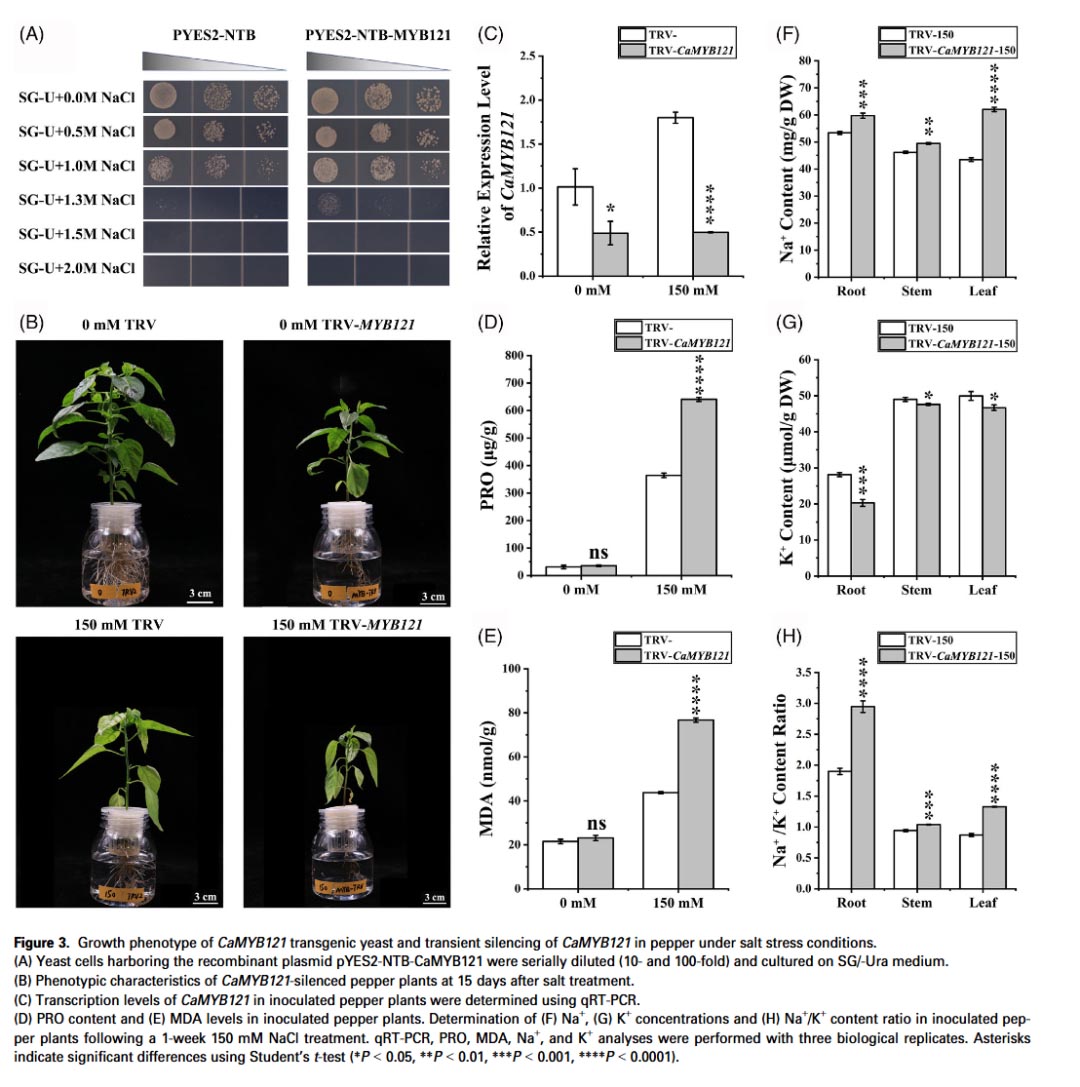
Functional validation showed that heterologous expression of CaMYB121 in yeast significantly enhanced tolerance to 1.3 M NaCl. In pepper, transient silencing of CaMYB121 via viral induction resulted in inhibited root development, aggravated leaf wilting, significantly increased proline and malondialdehyde (MDA) content, increased Na⁺ accumulation, decreased K⁺ content, and an increased Na⁺/K⁺ ratio under salt stress, indicating that CaMYB121 positively regulates salt tolerance in pepper.
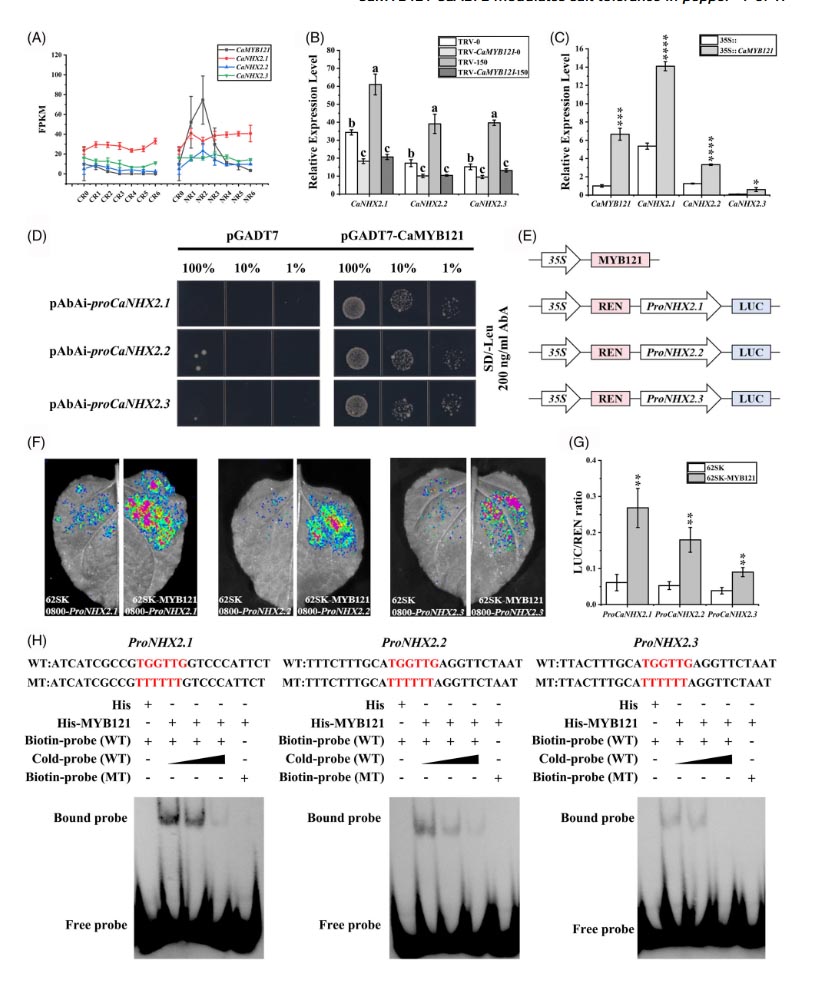
To elucidate its downstream target genes, it was found that CaMYB121 is co-expressed with three vacuolar Na⁺/H⁺ exchanger genes, CaNHX2.1/2.2/2.3. Yeast one-hybrid assays, dual-luciferase reporter assays, and electrophoretic mobility shift assays confirmed that CaMYB121 directly binds to the CAACCA motif in the CaNHX2 promoter, activating its transcription and thus promoting Na⁺ compartmentalization and maintaining ion homeostasis.
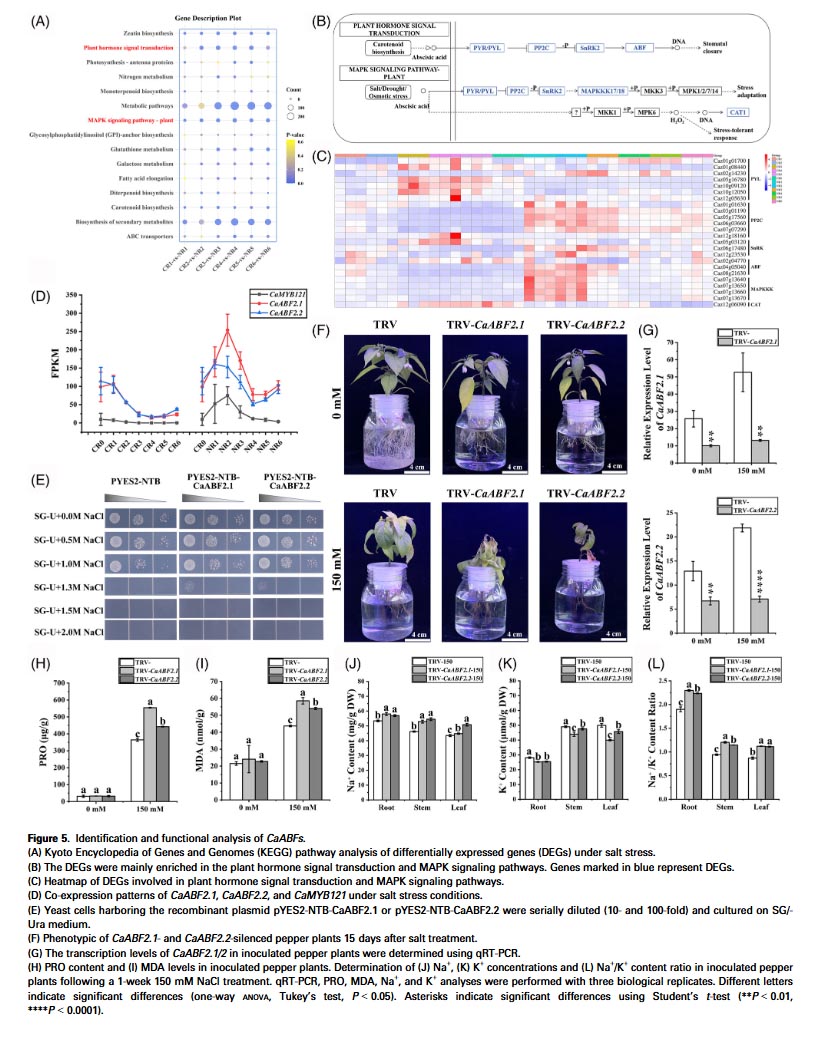
Further studies revealed that salt stress simultaneously induces the expression of genes in the ABA signaling pathway, with the expression patterns of CaABF2.1 and CaABF2.2 highly consistent with CaMYB121. Silencing either CaABF2.1 or CaABF2.2 also resulted in a salt-sensitive phenotype. Molecular mechanism studies showed that CaMYB121 directly binds to the CaABF2.1/2 promoter and activates its transcription; while CaABF2.1/2 directly binds to the ABRE element in the CaMYB121 promoter, inhibiting its expression, forming a negative feedback regulatory loop. No protein-protein interaction was detected in the yeast two-hybrid assay, indicating that this feedback occurs at the transcriptional level.
In summary, this study proposes a two-stage regulatory model: in the early stages of salt stress, CaMYB121 is rapidly activated, upregulating CaNHX2 to maintain ion homeostasis and activating CaABF2 to amplify the ABA signal; subsequently, the accumulated CaABF2 feedback-inhibits CaMYB121 expression, preventing overactivation of the defense response and balancing growth and stress response. This discovery provides new gene resources and regulatory targets for molecular breeding of salt-tolerant peppers.