
Fruit length is a key agronomic trait determining the yield and commercial value of pepper, yet the underlying genetic regulatory mechanisms remain unclear. Recently, a research team—including scientists from Hunan Agricultural University—identified a short-fruit mutant (designated 205) via EMS mutagenesis and successfully cloned SCPL29, a key gene regulating pepper fruit length. They elucidated the molecular mechanism by which SCPL29 regulates fruit development: the gene product interacts with CLV1 through serine carboxypeptidase activity and operates via the auxin signaling pathway. These findings were published in the academic journal Horticulture Research under the title “A Single-Nucleotide Mutation in SCPL29, Encoding a Serine Carboxypeptidase, Regulates Fruit Length in Pepper (Capsicum annuum L.).”
The research team identified a short-fruit mutant, 205, from the long-fruited inbred line 8214 using EMS mutagenesis. Phenotypic analysis revealed that while the mutant’s ovary was significantly enlarged at the flower bud stage, the length of the mature fruit was reduced by approximately 10% compared to the wild type. Genetic analysis indicated that this short-fruit trait is controlled by a single recessive gene. By combining MutMap localization with KASP marker-based fine mapping, the candidate region was narrowed down to a 95 kb interval. Ultimately, a C-to-A single-nucleotide mutation in the coding region of Caz07g01800 (SCPL29) was identified as the underlying cause of the short-fruit phenotype; this mutation results in the substitution of asparagine (N) with lysine (K) at the C-terminus of the SCPL29 protein.
SCPL29 encodes a serine carboxypeptidase and is highly expressed in ovaries at the flower bud stage. Subcellular localization studies showed that wild-type SCPL29 localizes to the plasma membrane, whereas the mutant scpl29 forms punctate autophagic structures that co-localize with the autophagy marker ATG8. Transmission electron microscopy confirmed the presence of numerous tubular autophagic structures in mutant cells, indicating that the point mutation induces abnormal activation of the autophagy pathway. Silencing SCPL29 via virus-induced gene silencing (VIGS) resulted in significantly shorter fruit, enlarged ovaries, and inhibited cell elongation, confirming that SCPL29 positively regulates fruit length.
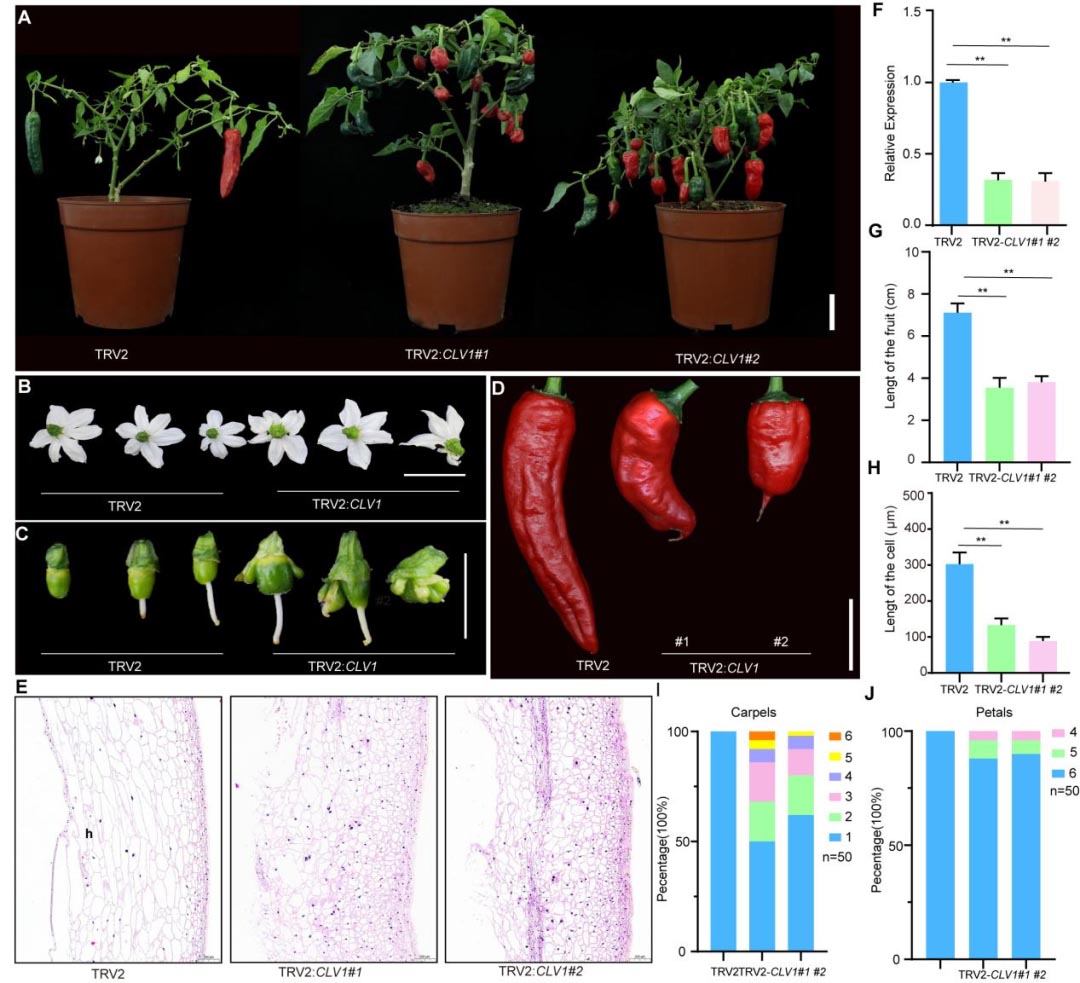
To elucidate the molecular mechanism, weighted gene co-expression network analysis revealed that SCPL29 is co-expressed with genes in the CLV-WUS pathway. Protein interaction assays demonstrated that SCPL29 specifically interacts with the extracellular LRR domain of CLV1, whereas this interaction is lost with the mutant scpl29. Silencing CLV1 also led to fruit shortening; however, CLV1 silencing caused an increase in the number of floral organs (a multicarpel phenotype), a trait not observed in the SCPL29 mutant. This suggests that the functions of SCPL29 and CLV1 do not completely overlap and that SCPL29 may regulate fruit development through a more refined mechanism.
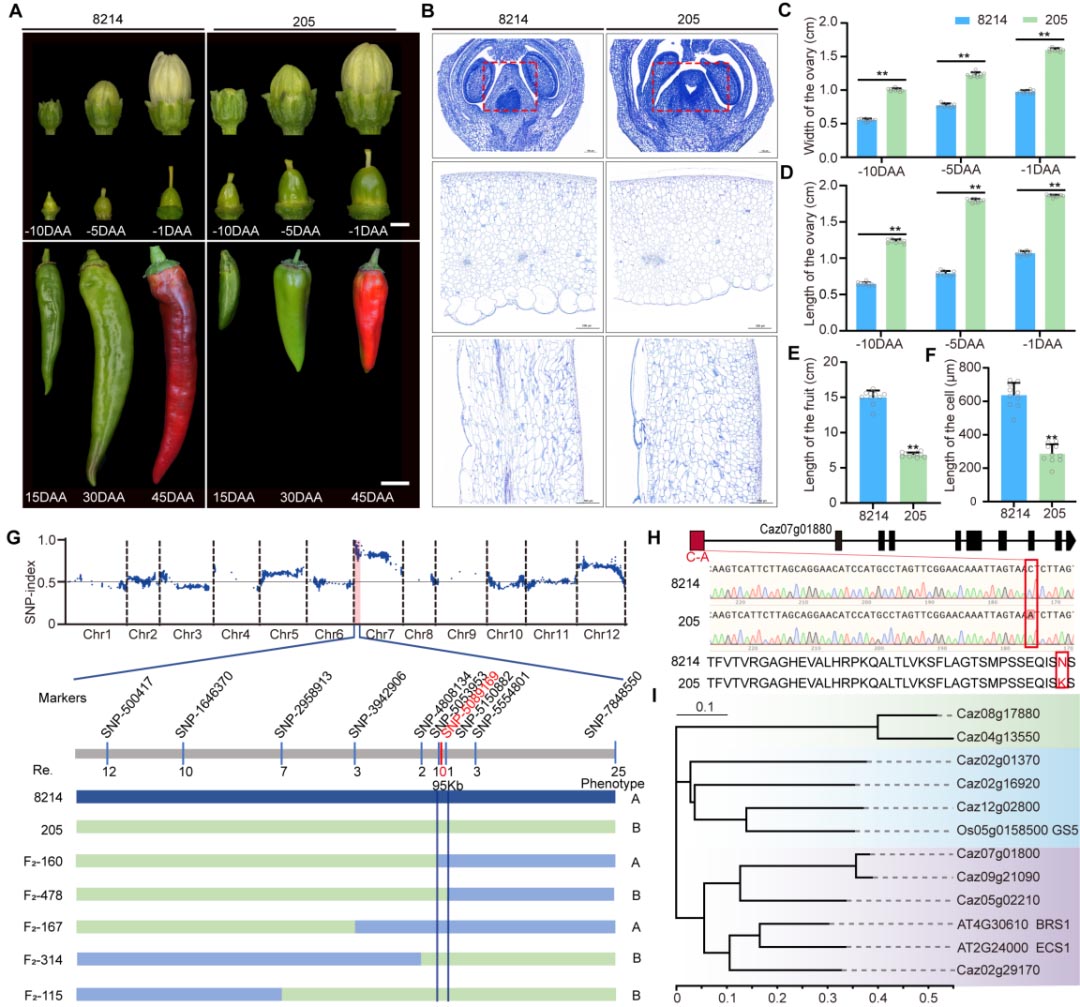
Figure 1. Characterization of the short-fruit phenotype and identification of the candidate gene.
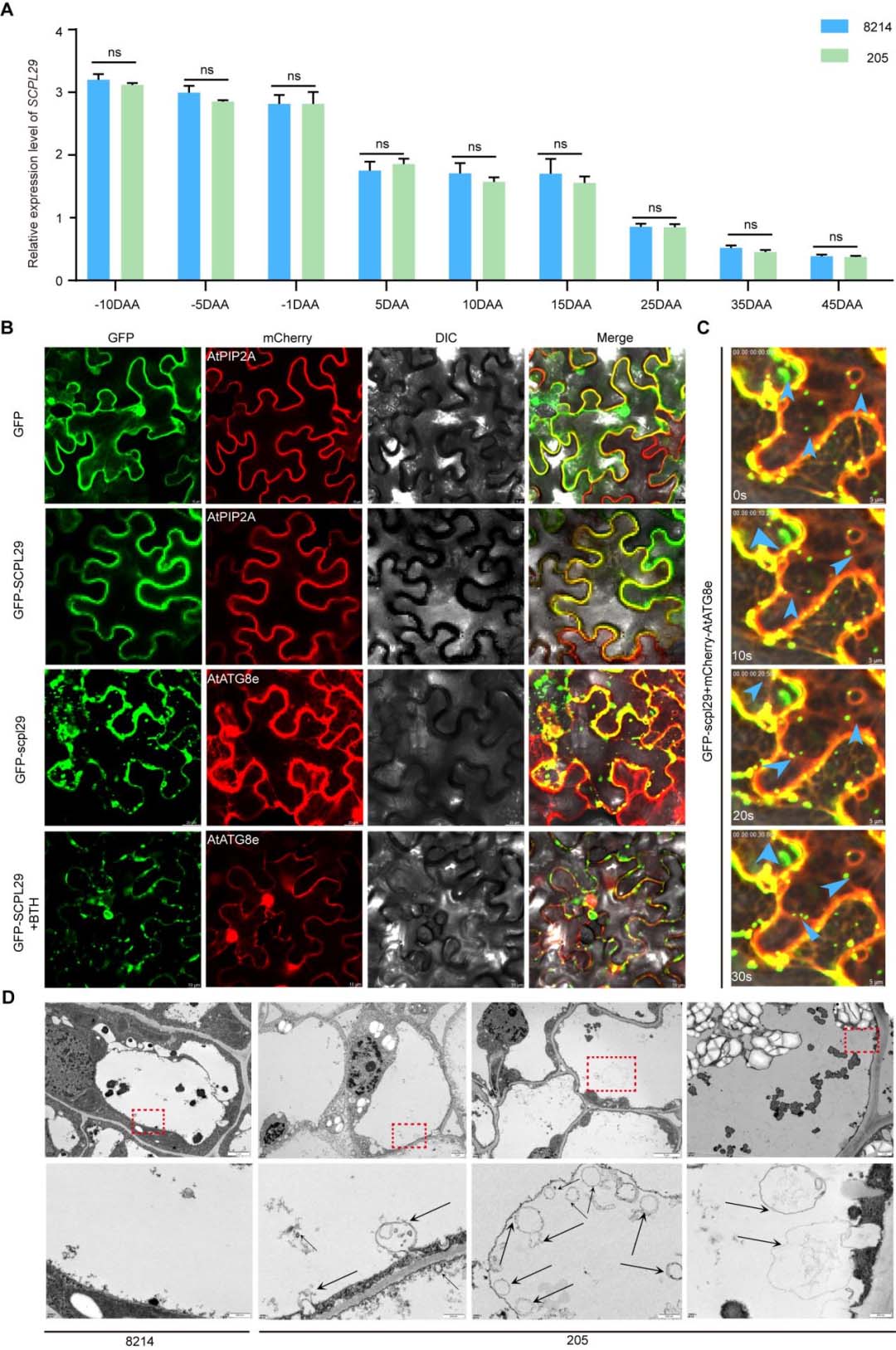
Figure 2. Expression patterns and subcellular localization of SCPL29 and its mutant variant.
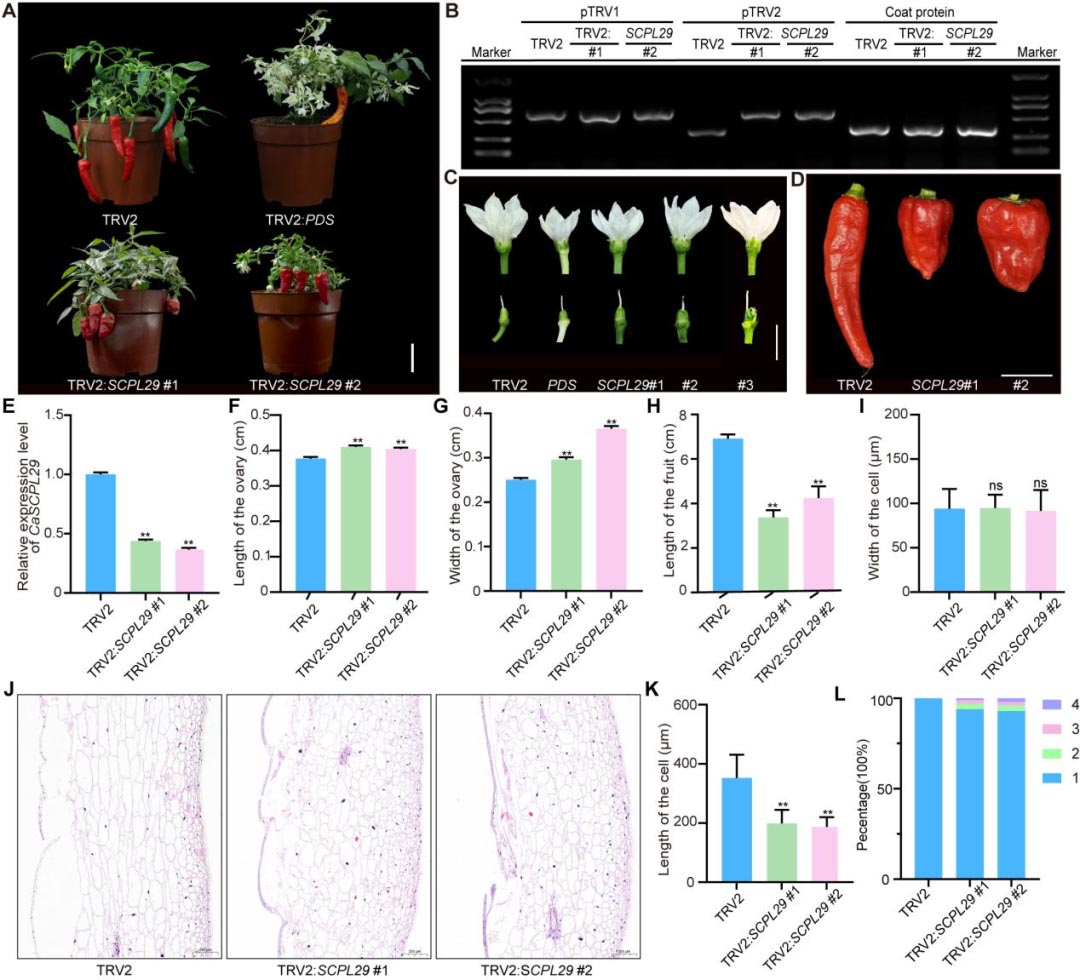
Figure 3. SCPL29 regulates pepper fruit length.
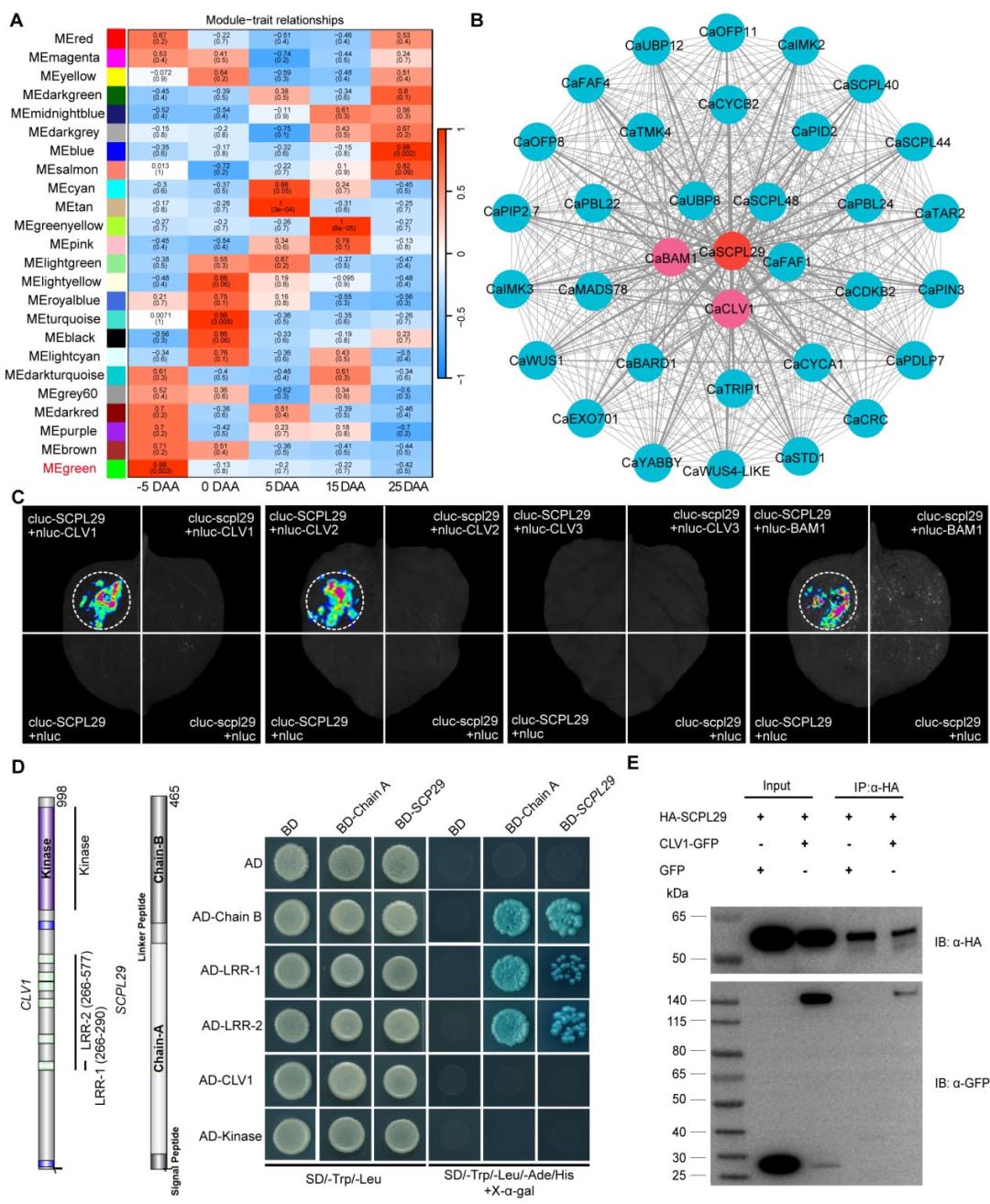
Figure 4. Identification of SCPL29-Interacting Genes.
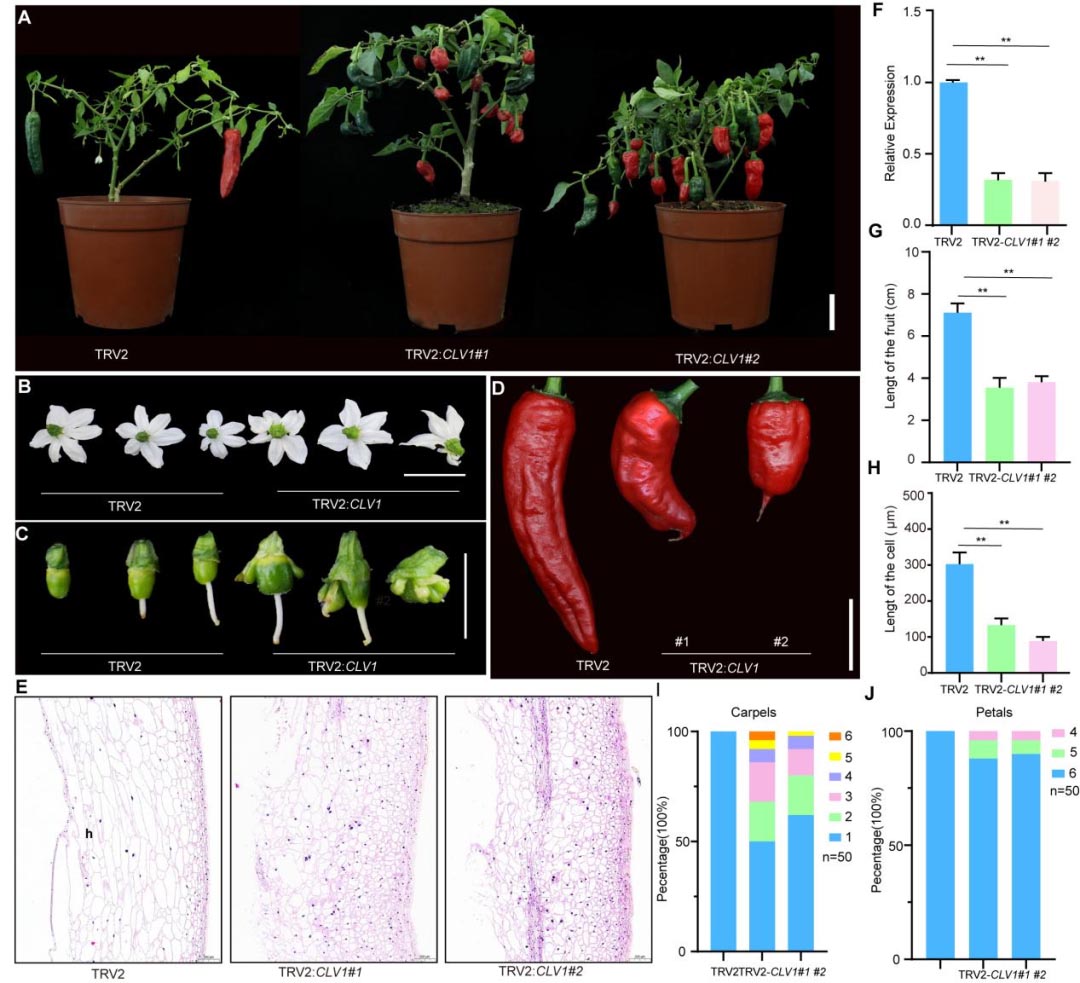
Figure 5. CLV1 positively controls fruit length in pepper .
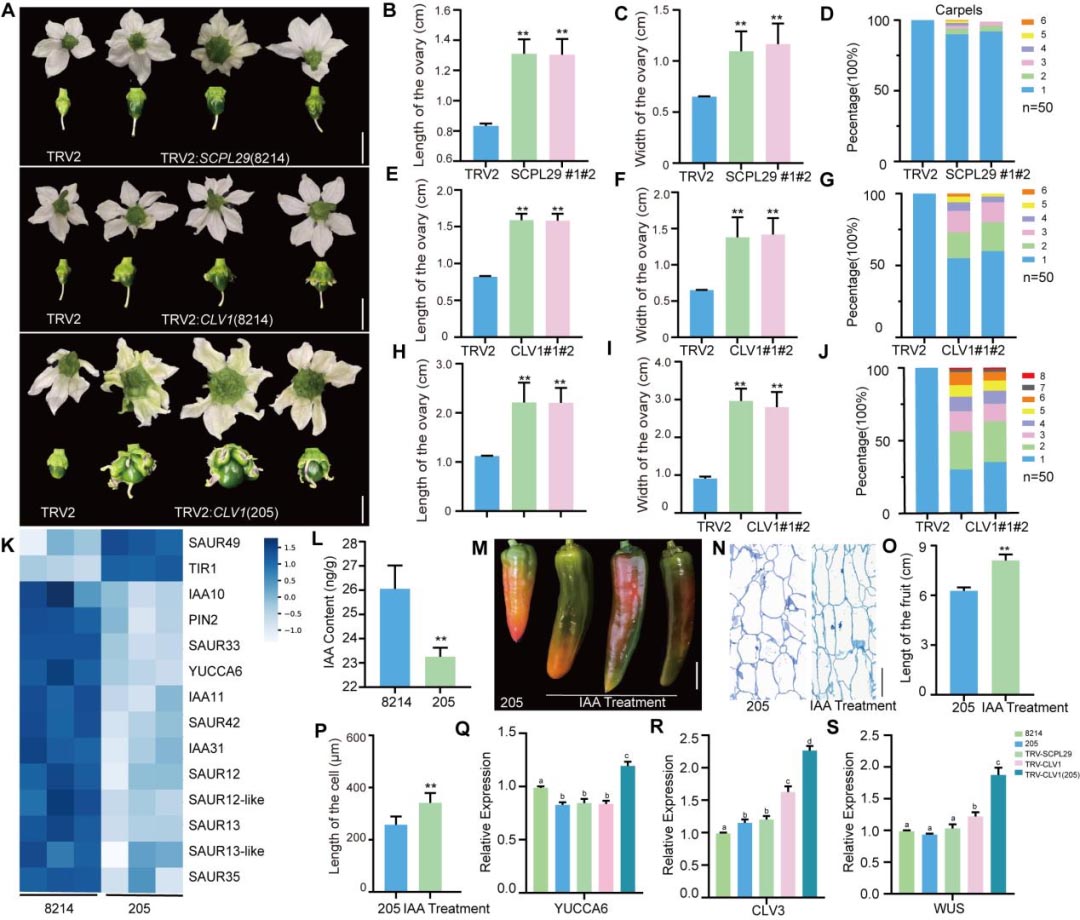
Figure 6. SCPL29 acts in parallel with CLV1-mediated signalling and modulates pepper fruit length via the auxin pathway.
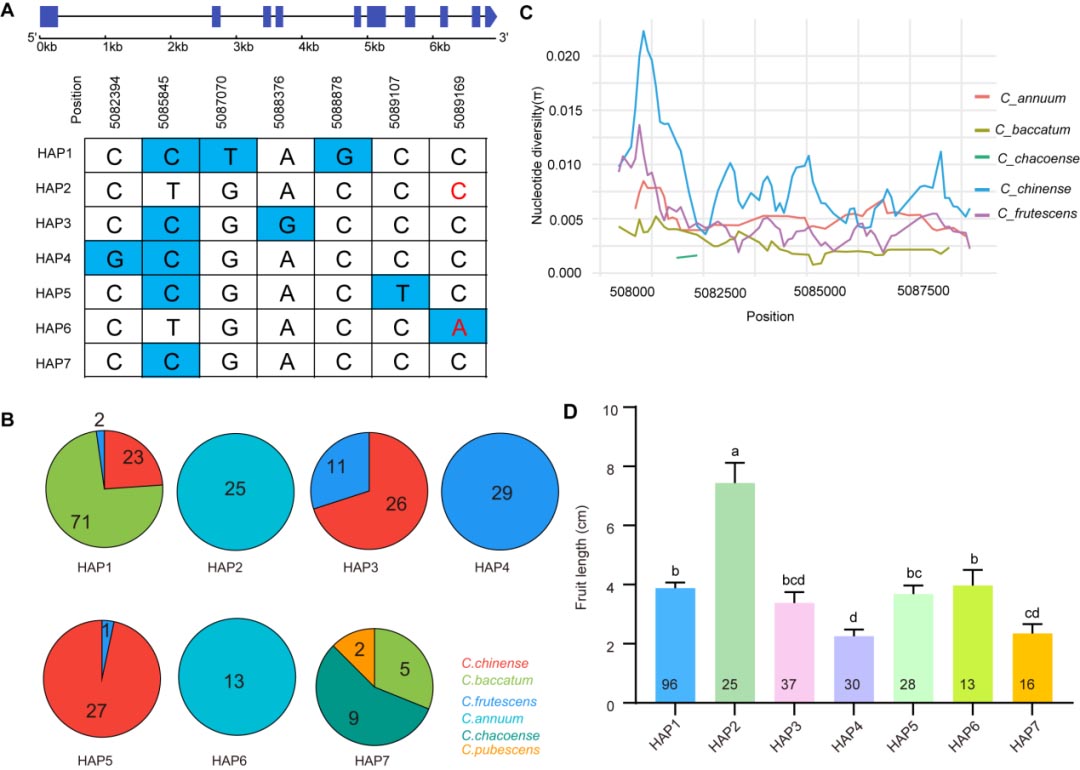
Figure 7. Natural variation analysis of SCPL29 in pepper.