Capsaicin and capsanthin in pepper fruits possess significant economic and health value, yet the spatial regulatory mechanisms underlying their biosynthesis have remained unclear. Recently, a research team from the Peking University Institute of Advanced Agricultural Sciences and collaborating institutions constructed the first single-nucleus and spatial transcriptomic atlas of pepper, revealing the central role of laminar patterning transcription factors in regulating spatial metabolic partitioning in pepper fruit. The findings were published in Nature Plants under the title “Laminar patterning transcription factors orchestrate spatial metabolite partitioning in Capsicum fruit.”
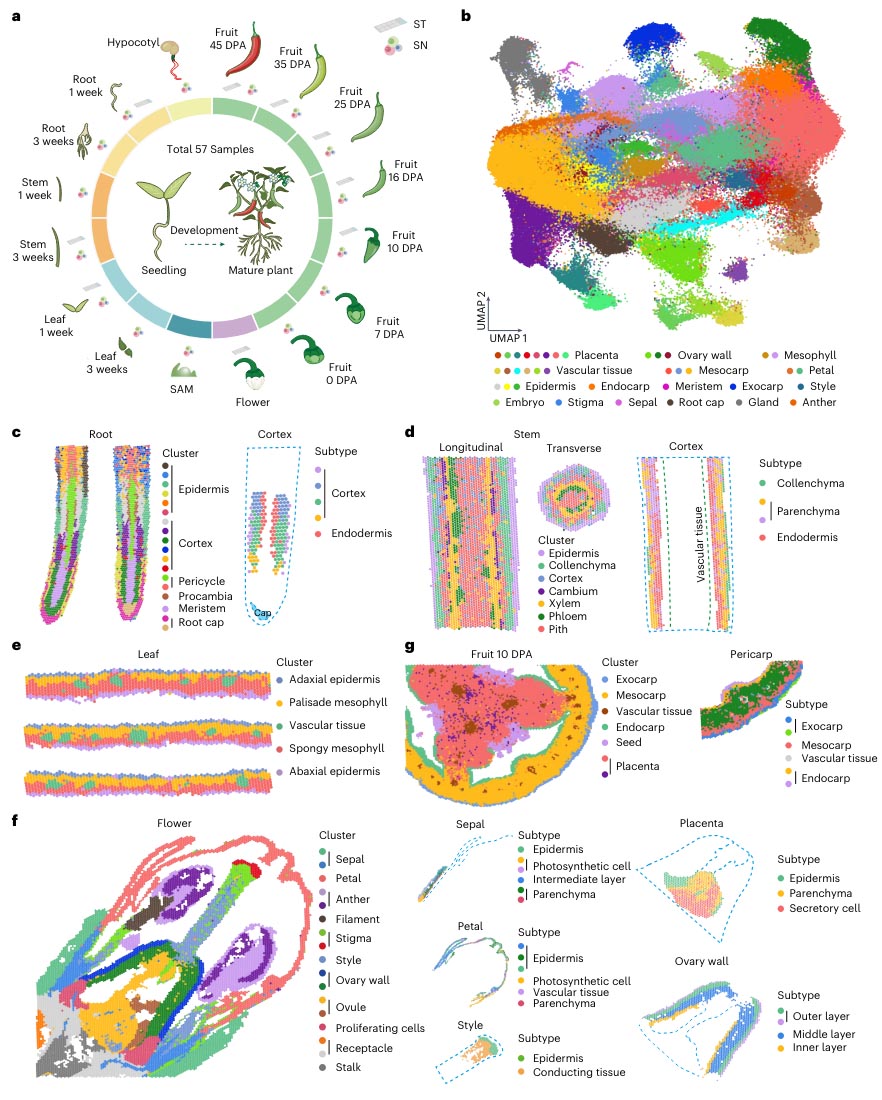
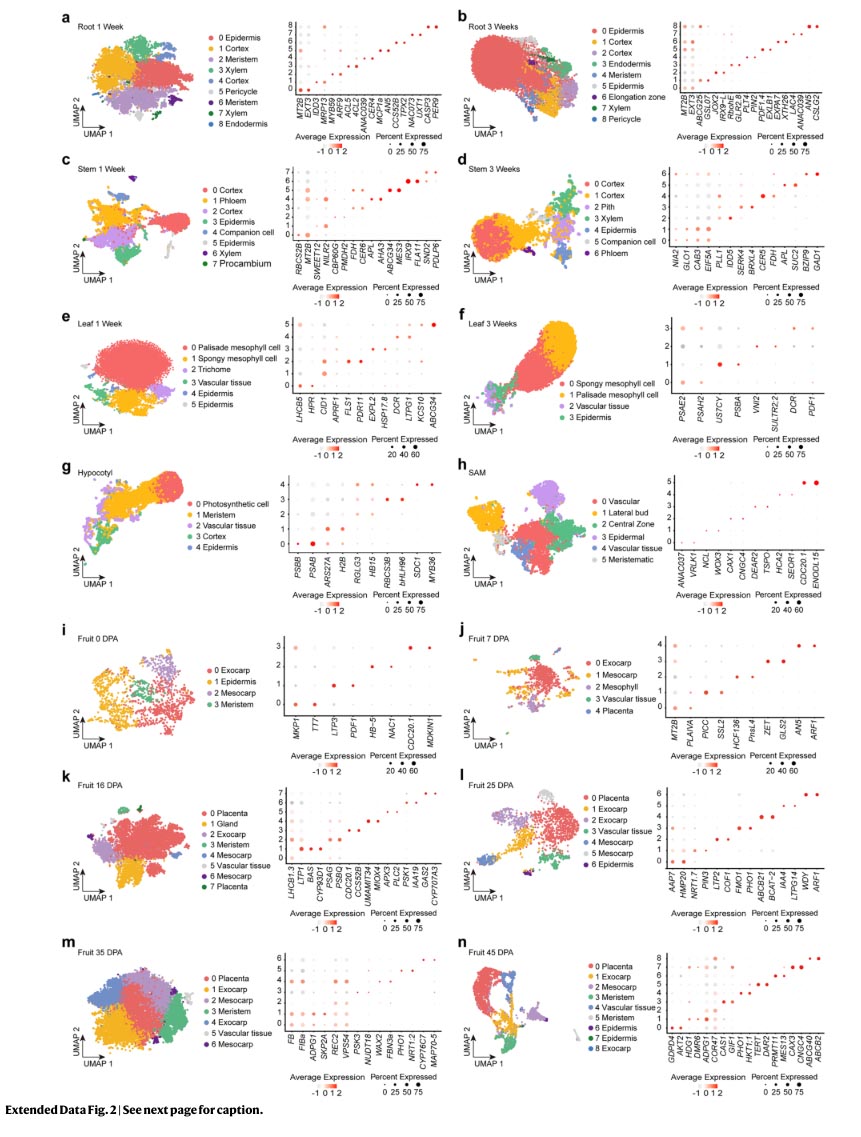
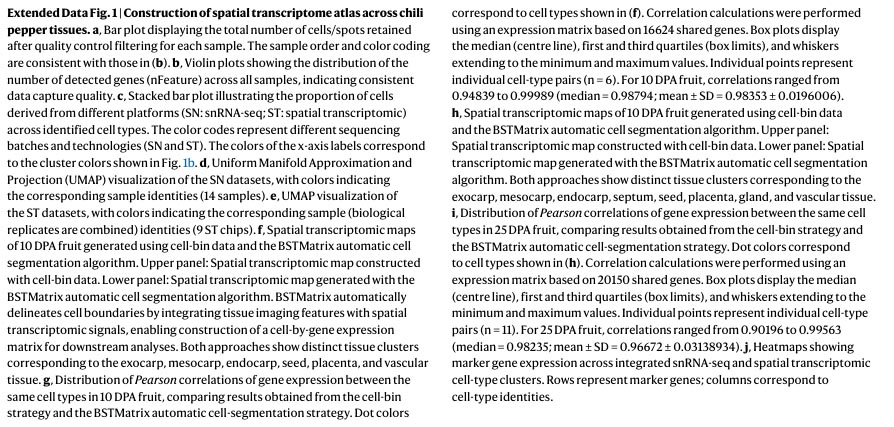
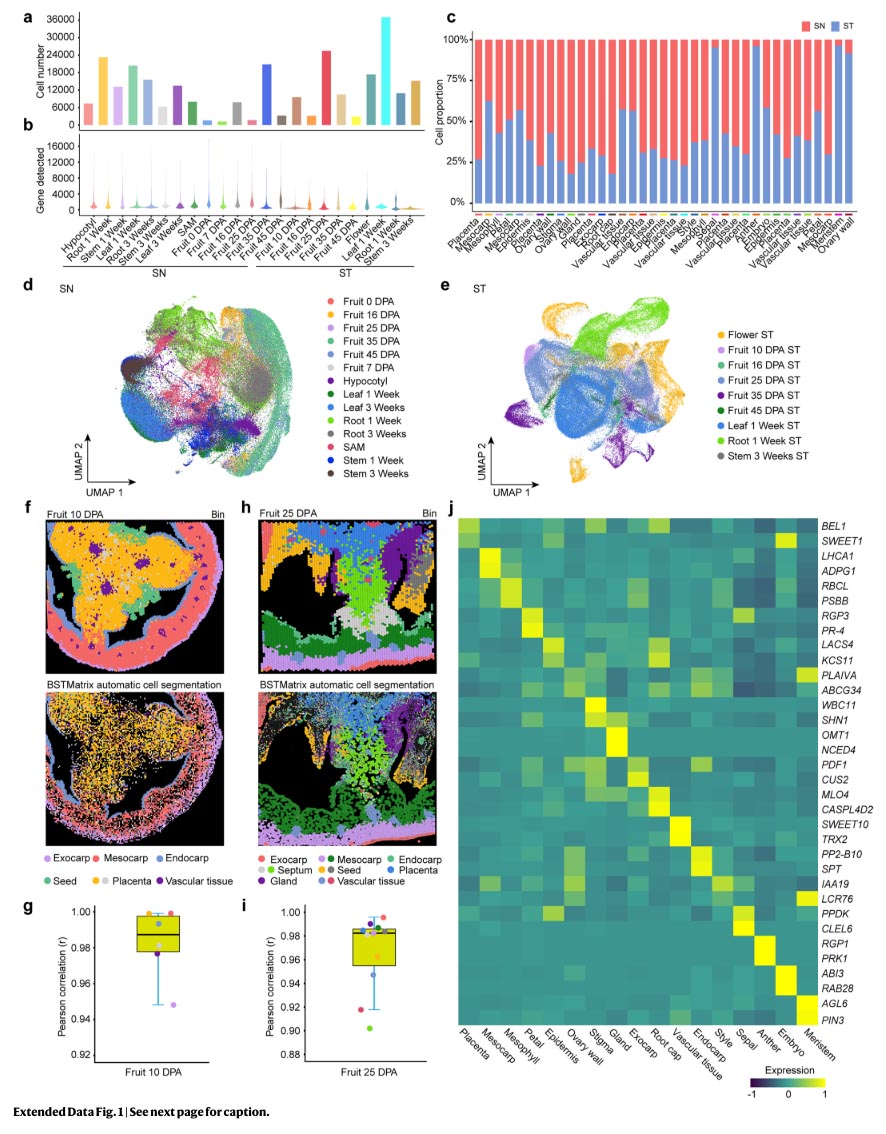
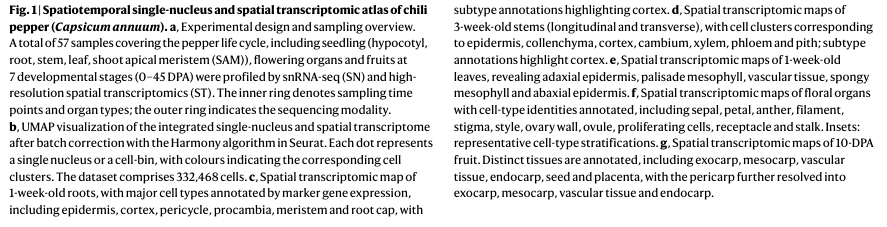
The research team performed single-nucleus RNA sequencing and spatial transcriptomic analysis on 57 samples of CA59 pepper, covering seedlings, roots, stems, leaves, flowers, and seven developmental stages of fruit. In total, 332,468 high-quality cells were obtained, enabling the construction of the first spatiotemporal transcriptomic atlas of pepper and the establishment of an open-access online database, the Pepper Cell Atlas.
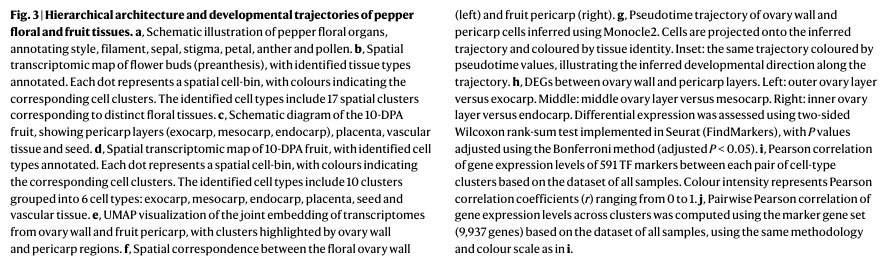
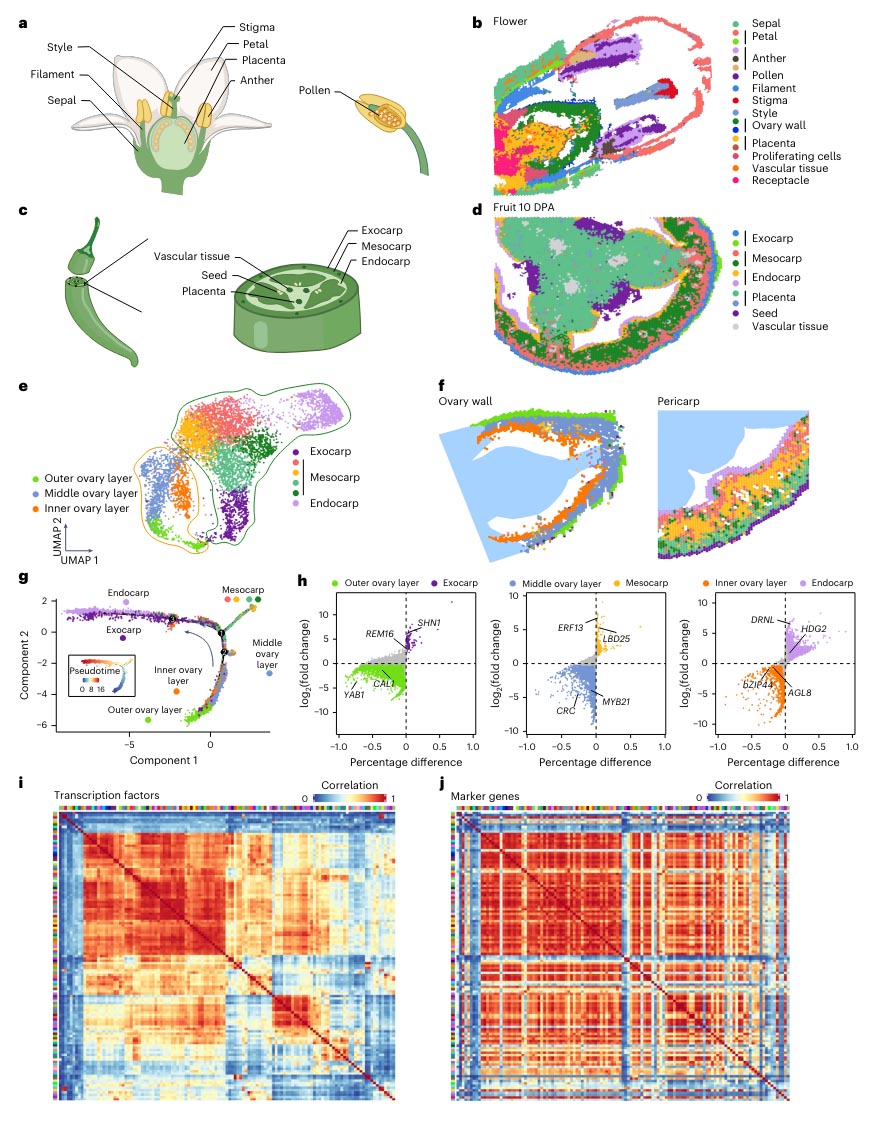
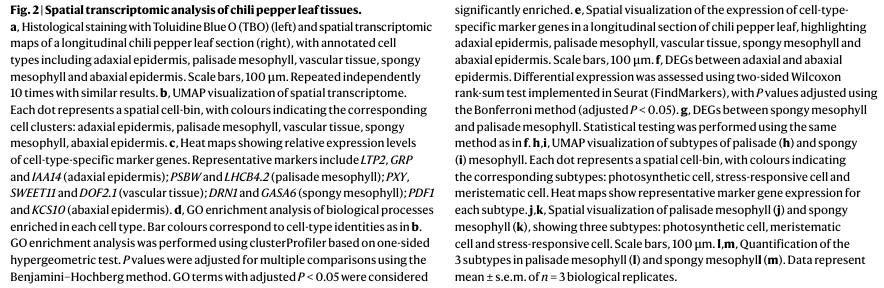
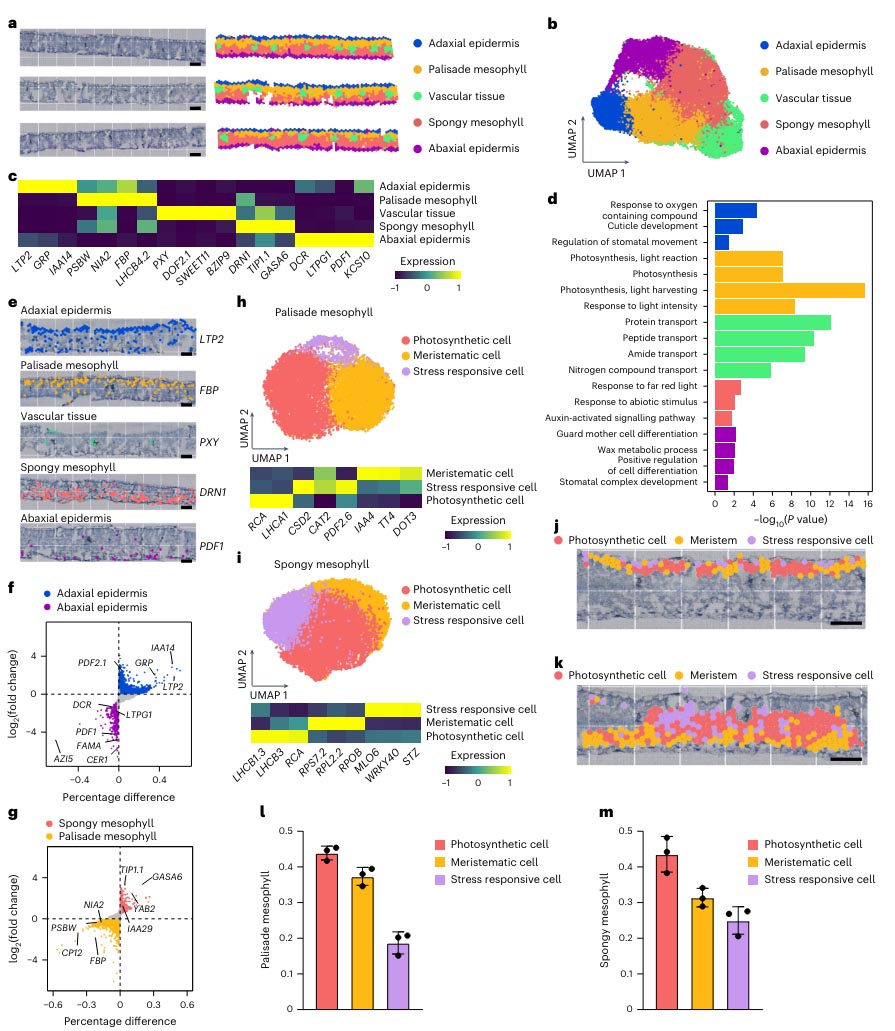
Using this atlas, the researchers resolved the spatial organization of five functional cell layers in leaves, identified three functional subtypes in both spongy mesophyll and palisade mesophyll tissues, and revealed the diversity of cell types within vascular bundles. In flowers and fruits, the team further characterized the laminar differentiation trajectory from the ovary wall to the pericarp, as well as the fine laminar structures of the placenta and seed coat.
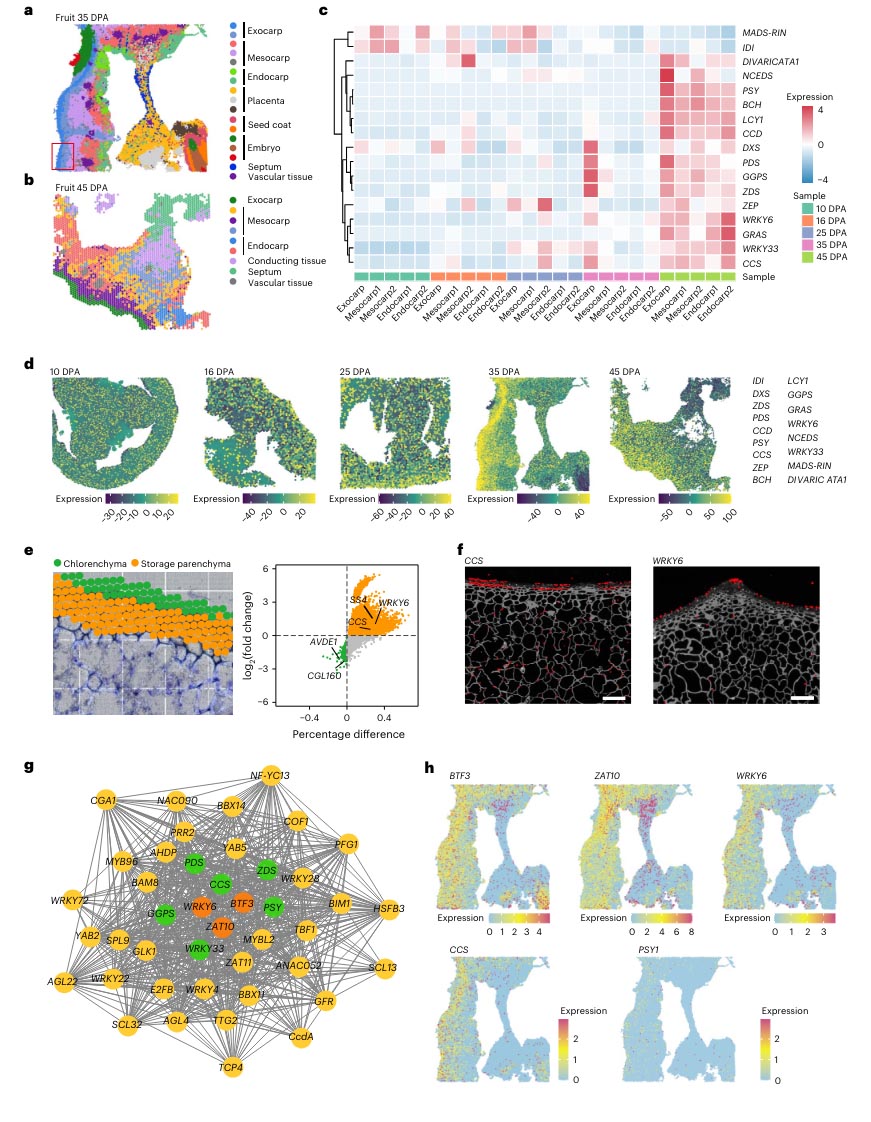
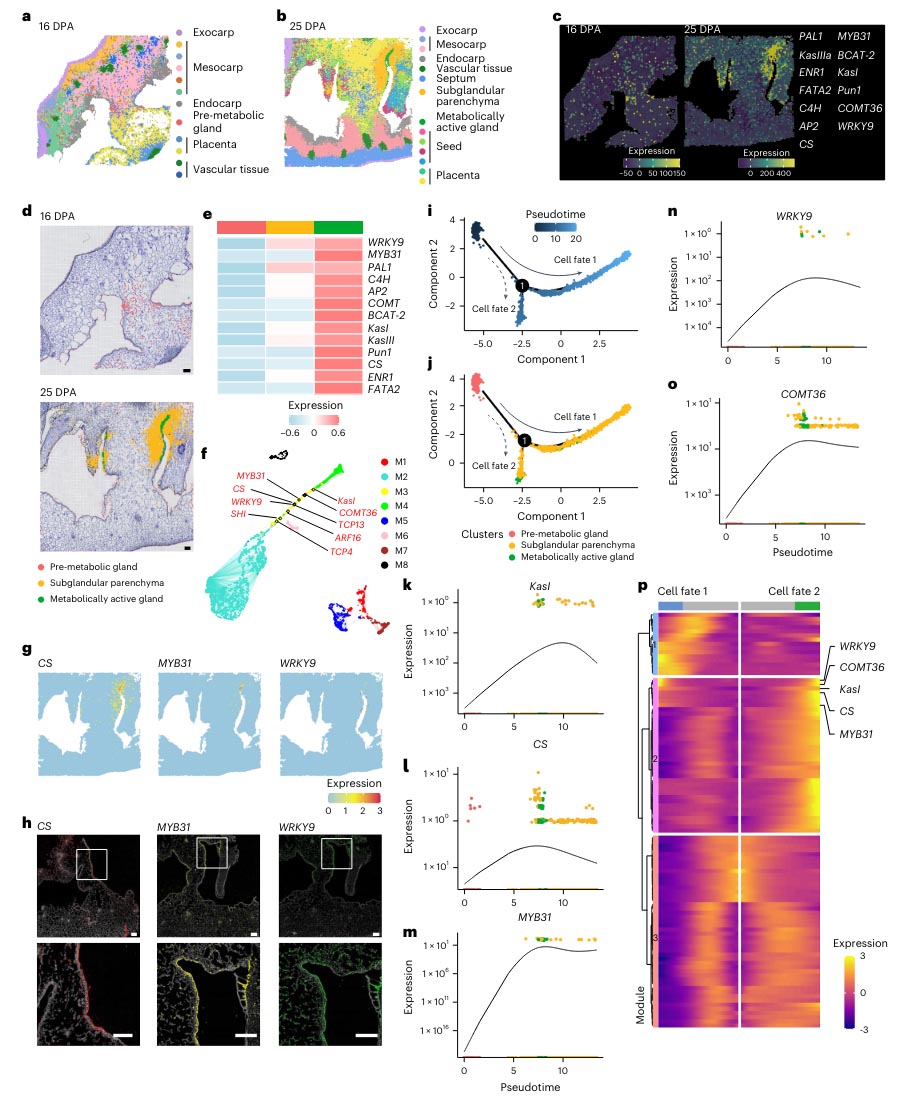
The researchers discovered a class of transcription factors that are specifically expressed in particular tissue layers and are closely associated with spatial metabolic partitioning. These were named laminar patterning transcription factors. In placental glands, MYB31 and WRKY9 were specifically highly expressed and co-expressed with structural genes involved in capsaicin biosynthesis, including CS, KAS, BCAT, and COMT36. Their expression trajectories were highly consistent with those of capsaicin biosynthetic genes in pseudotime analysis, confirming that they are key regulatory factors in capsaicin biosynthesis.
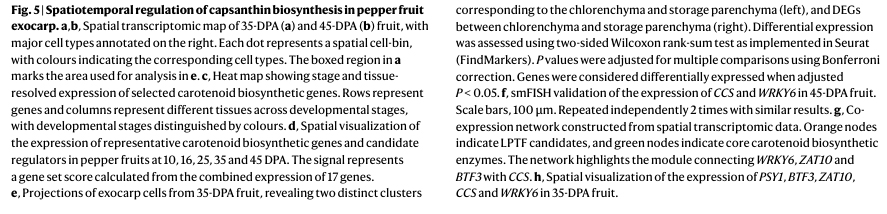
In the exocarp, WRKY6, ZAT10, and BTF3 were specifically expressed in the pigment-accumulating layer and co-expressed with the key capsanthin biosynthetic enzyme genes CCS and PSY1. Virus-induced gene silencing experiments confirmed that silencing WRKY6, ZAT10, or BTF3 led to incomplete fruit coloration, reduced expression of PSY1 and CCS, and a 15–25% decrease in capsanthin content. Yeast one-hybrid and dual-luciferase assays further demonstrated that ZAT10 binds to the PSY1 promoter, while BTF3 binds to the CCS promoter and activates its expression.
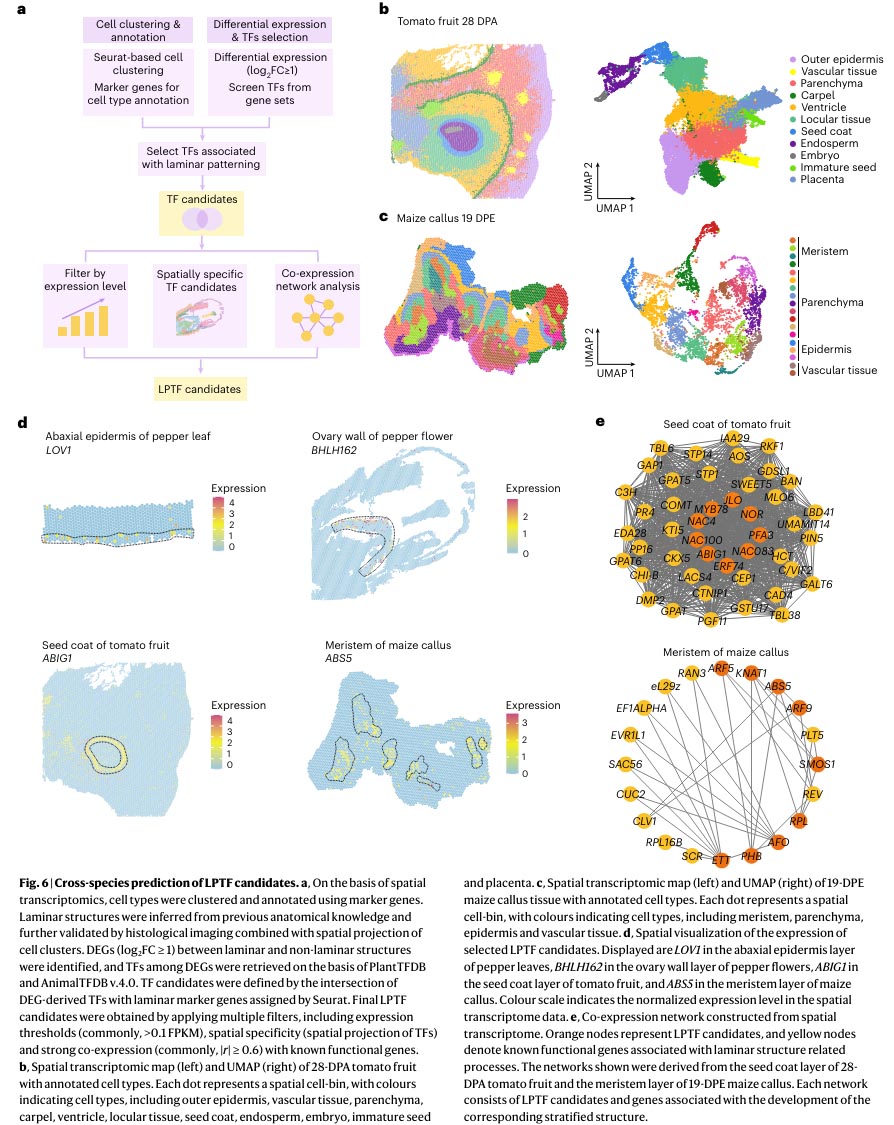
Based on this analytical framework, the research team predicted 365 high-confidence LPTF candidate genes in layered tissues across multiple species, including tomato, maize, wheat, as well as the human brain and heart. This suggests that laminar transcriptional regulation may represent a conserved organizational principle across species.
In summary, this study presents the first spatiotemporal transcriptomic atlas of pepper and reveals the molecular mechanism by which laminar patterning transcription factors establish “LPTF–rate-limiting enzyme” co-localization modules to achieve the spatial metabolic partitioning of capsaicin and capsanthin. The study provides a new perspective for understanding tissue layer-specific metabolic regulation in plants and offers important genetic resources and a theoretical foundation for the precise improvement of pepper fruit quality.
Researcher Bosheng Li from the Peking University Institute of Advanced Agricultural Sciences is the corresponding author of the paper. Research assistant Jing Han, Associate Researcher Yaping Tang, Associate Researcher Zhiliang Yue, research assistant Wenjun Ji, research assistant Keying Geng, and research assistant Hengjia Yang, all from the Peking University Institute of Advanced Agricultural Sciences, are co-first authors. Researcher Xu Wang from the Peking University Institute of Advanced Agricultural Sciences, Professor Jigang Li from China Agricultural University, Associate Professor Zhangsheng Zhu from South China Agricultural University, and Researcher Shengbao Yang from the Xinjiang Academy of Agricultural Sciences provided important guidance and support for the study.
This research was supported by the National Natural Science Foundation of China, the National Key Research and Development Program of China, the Natural Science Foundation of Shandong Province, the Key Research and Development Program of the Shandong Agricultural Elite Varieties Project, the Key Research and Development Program of the Xinjiang Uygur Autonomous Region, the Taishan Scholars Program, and the Yuandu Scholars Program.